
Reserve in 1991
Vistas of Mount Kilimanjaro (Tanzania)
Longest-lived elephants in Africa
Jul – Oct and Dec – Feb
Amboseli is world-renowned for providing the most iconic photographic backdrop in all of Africa: massive herds of free-ranging elephants moving across dusty plains with the towering, snow-capped Mount Kilimanjaro rising directly behind them. The name “Amboseli” comes from a Maasai word meaning “salty dust,” yet the park is defined by its contrast — dry, parched lake beds sitting alongside lush, permanent green swamps.
These swamps are fed by underground springs from Kilimanjaro’s melting snow, creating a year-round oasis that attracts an incredible variety of wildlife and over 400 species of birds. Because the vegetation is sparse due to the saline soil, wildlife viewing here is remarkably easy and consistent.
Enkongo Narok & Olokenya Swamps: The lifeblood of the park. These emerald-green wetlands are where you will find elephants submerged up to their bellies, alongside hippos and hundreds of water birds.
Observation Hill (Noirmotit): A volcanic hill that offers the only point in the park where you can get out of your vehicle and walk. From the summit, you get a 360-degree view of the entire park, the swamps, and the mountain.
Lake Amboseli: A vast, seasonal lake bed that is usually a dry, shimmering salt pan. It creates stunning mirages in the heat and provides a stark, minimalist landscape for photography.
The Tortilis Woodlands: Areas of yellow-barked fever trees and acacia tortilis that provide shade for smaller plains game and elusive leopards.
The Mara is home to the famous 'Marsh Pride' and offers arguably the best lion viewing on earth.
The open grasslands are perfect for these sprinters; look for them on top of termite mounds.
Ancient apex predators that lie in wait at the river crossing points during the Great Migration.
A highly social antelope frequently seen standing on mounds to keep a lookout for predators.
The primary participants of the Great Migration, arriving in massive herds from July to October.
Masters of stealth, they are often found lounging in the riverine forests along the Mara and Talek rivers.
Large herds roam the plains and marshlands, playing a vital role in shaping the savannah landscape.
Commonly found in "pods" in the Mara River, remaining submerged by day and grazing by night.
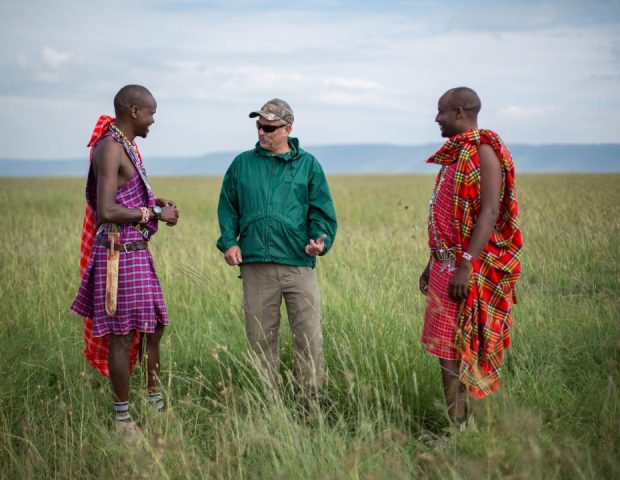
Amboseli exists within the heart of Maasai land, and the park’s history is deeply intertwined with the local community.
The herds are in the Mara. River crossings are at their peak. Exceptional wildlife viewing but highest tourist numbers.
Refreshing rains bring back the green. Great for birding and photography with dramatic sky backdrops and newborn calves.
The weather is dry and the grass is short. Excellent for spotting big cats and avoiding the heavy migration traffic.
The long rains transform the savannah. Expect lush scenery, lower prices, and a very private safari experience.
Tanzania & Kenya
Kenya
Tanzania & Kenya
Kenya
Kenya