
Tanzania-Born Safari Specialists
January – March: The Calving Season (Southern Serengeti)
The herds settle in the nutrient-rich short-grass plains of the Southern Serengeti and Ngorongoro Conservation Area.
The Spectacle: Over 500,000 wildebeest calves are born within a concentrated two-to-three-week window.
Predator Action: This is the peak time for predator-prey encounters, as lions, cheetahs, and hyenas take advantage of the vulnerable young.
Sereti Tip: Stay in the Ndutu region for the most intimate views of the nursery herds.
April – May: The Long Rains (Central Serengeti)
As the southern plains dry up, the migration shifts Northwest toward the Central Serengeti (Seronera valley).
The Landscape: The “long rains” transform the savanna into a lush, emerald paradise.
The Vibe: This is the “Green Season”—it is quiet, with fewer vehicles and excellent opportunities for birdwatching and photography in dramatic light.
June – July: The Western Corridor & Grumeti
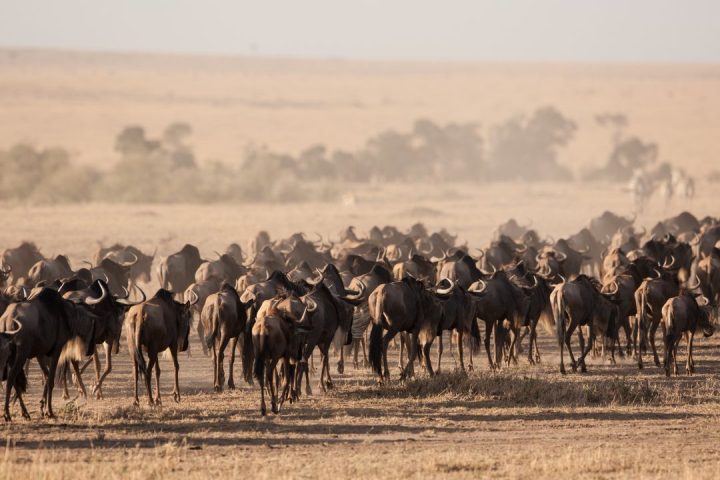
The herds gather momentum as they push toward the Western Corridor.
The Crossings: You may witness the first river crossings at the Grumeti River. While smaller than the famous Mara crossings, the Grumeti crocodiles are some of the largest in Africa.
Mating Season: In June, the “rut” begins, filled with the loud, rhythmic grunting of territorial males.
August – October: The Great River Crossings (Northern Serengeti)
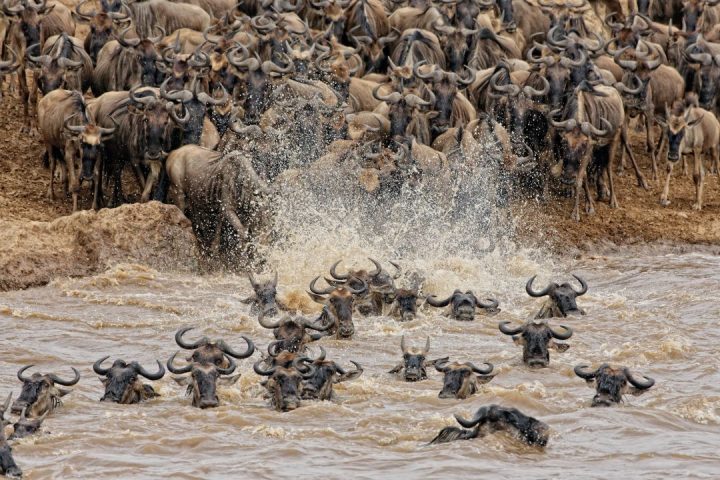
This is the peak of the migration drama as the herds reach the formidable Mara River.
The Challenge: Wildebeest mass on the banks for days before the first brave individual plunges into the crocodile-infested waters.
The Maasai Mara: The survivors cross into Kenya’s Maasai Mara for the lush grazing found there during the dry season.
2026 Strategy: This is the busiest time; booking your Sereti guide early is essential to secure the best viewing spots.
November – December: The Return Journey
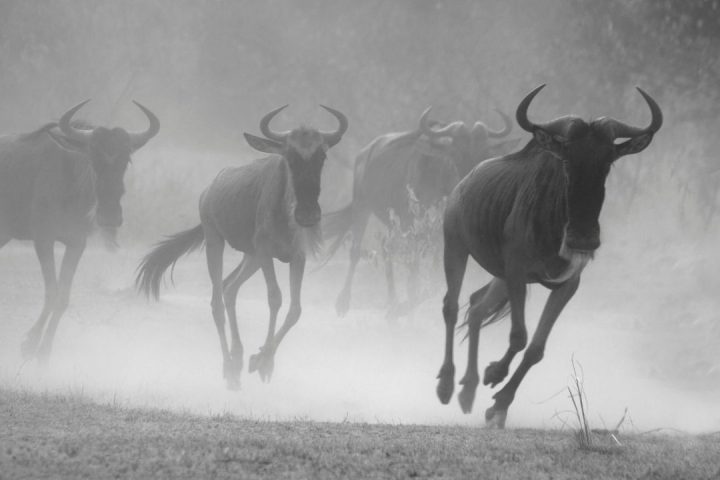
With the arrival of the “short rains,” the herds sense the fresh grass growing in the south and begin their rapid southward trek through the eastern Serengeti.
| Phase | Primary Location | Best For | Typical Climate |
|---|---|---|---|
| Calving | South Serengeti / Ndutu | High predator activity & newborns | Hot and dry mornings |
| The Rut | Western Corridor | Large herd movements & mating | Humid / Occasional rains |
| Crossings | North Serengeti / Kogatende | Dramatic river crossings | Dry, dusty, and clear |
| Grazing | Maasai Mara | Vast vistas and photography | Mild and pleasant |