
Tanzania

Manyara National Park

An emerald sanctuary of tree-climbing lions and soda-ash shores where the Rift Valley meets a groundwater forest

Established

1960

Defining Feature

600m Rift Valley Escarpment.

Big Five

Only Rhino is absent

Best Time

Jun โ€“ Oct

About the Park

Lake Manyara is a compact gem offering a remarkably diverse range of ecosystems within a small area. Hemmed in by the towering rust-gold cliffs of the Great Rift Valley, the park transitions from a dense, jungle-like groundwater forest to open floodplains and the vast, shimmering soda lake.

The park was immortalized by Ernest Hemingway, who described it as the “loveliest I had seen in Africa.”. It is most famous for its unique population of tree-climbing lions and for the “pink fringe” of thousands of flamingos that line the lake’s edge. Despite its size, it supports a high density of elephants and serves as a vital corridor for wildlife moving between the highlands and the plains.

Regions of the Park

Regions of the the Park.

  • Groundwater Forest: Fed by underground springs from the Rift Valley, this lush canopy is home to large troops of baboons, blue monkeys, and hornbills.
  • The Floodplains: Wide-open grasslands between the forest and the lake where zebra, wildebeest, and buffalo graze under the watchful eyes of predators.
  • Acacia Woodlands: The primary habitat for Manyaraโ€™s famous tree-climbing lions and a favored spot for giraffes and elephants.
  • Maji Moto Hot Springs: Located in the south, these bubbling geothermal springs are surrounded by a unique micro-ecosystem at the very edge of the lake.

Wildlife

The Cast of Characters

๐Ÿฆ Unique Behavior

Tree-Climbing Lion

Renowned for the rare habit of lounging in the branches of ancient mahogany and acacia trees.

๐Ÿฆฉ Thousands

Lesser Flamingo

Creates a "pink fringe" along the alkaline lake shores, alongside 400+ other bird species.

๐Ÿ˜ High Density

Elephant

The parkโ€™s dense forest provides a perfect sanctuary for large, resident breeding herds.

๐Ÿ’ Massive Troops

Olive Baboon

Home to some of the largest baboon troops in Africa, often seen patrolling the forest roads.

๐Ÿฆ› Hippo Pool

Hippo

The Simba River hippo pool offers guaranteed sightings of these social water giants.

๐Ÿต Forest Specialist

Blue Monkey

Commonly heard and seen jumping through the high canopy of the groundwater forest.

๐Ÿฆ’ Very Common

Masai Giraffe

Found browsing in the acacia woodlands between the forest and the lake shore.

๐Ÿƒ Large Herds

Cape Buffalo

Often seen grazing in the floodplains and marshy areas surrounding the lake.
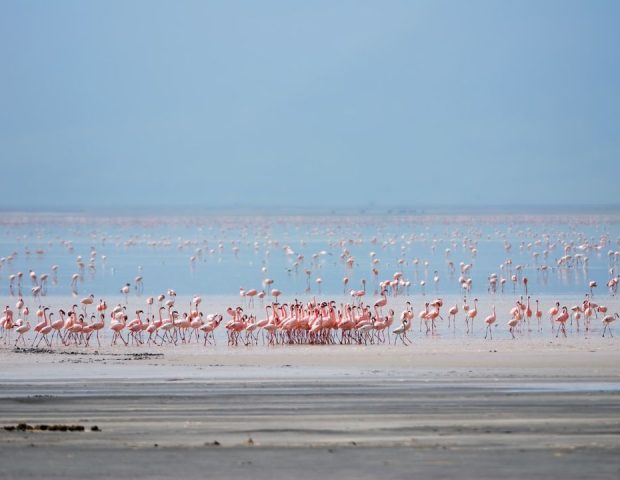
Flamingos in Manyara

The Great Flamingo
Show

  • The Pink Lake: During the wet season, thousands of flamingos congregate to feed on the lakeโ€™s algae.
  • Birding Diversity: Over 400 species have been recorded, including pelicans, storks, and many migratory waders.
  • The Escarpment Views: The lake provides a stunning backdrop for photography, especially when the water levels are high.
Manyara (1)

When to Visit

Lake Manyara by Season

โ˜€๏ธ Jun โ€“ Oct
Dry Season

Best for large mammals. Animals congregate near water sources and the vegetation is thinner for easier spotting.

โ›ˆ๏ธ Nov โ€“ Dec
Short Rains

Peak birdwatching season begins. The lake starts filling, flamingos arrive, and the scenery turns lush.

โ›… Jan โ€“ Feb
Short Dry Spell

A great balance of green landscapes and good wildlife visibility before the heavy long rains begin.

๐ŸŒง๏ธ Mar โ€“ May
Long Rains

The groundwater forest becomes a vibrant jungle. Perfect for photographers seeking dramatic light and deep greens.

Start Planning

Lake Manyara Tours

Start Your Journey

Your East Africa Tour
Begins with a Conversation

Tell us your dream safari and our Tanzania-born specialists will craft a tailor-made itinerary โ€” at no obligation. Browse our sample trips for inspiration, or let us start from scratch. Either way, we’ll make it unforgettable.