
1961
All present
Managed by Local Maasai councils
Jul – Oct and Dec – Feb
The Maasai Mara is named in honor of the Maasai people—the ancestral inhabitants of the land. The word Mara means “spotted” in the Maa language, referring to the landscape of short bushy trees and cloud shadows that dot the vast open plains.
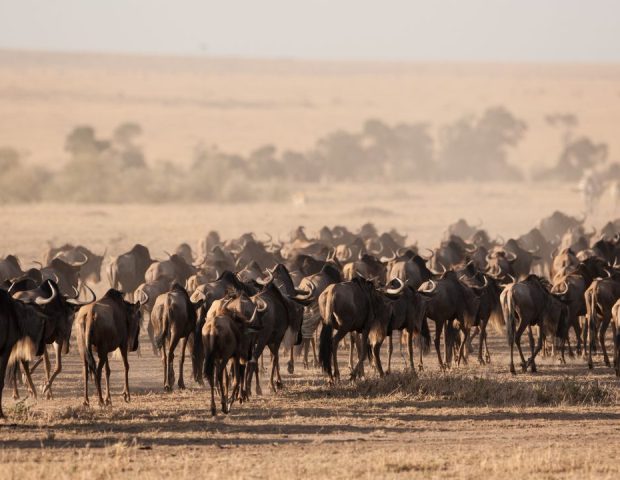
While smaller than its neighbor, the Serengeti, the Mara’s high concentration of wildlife year-round makes it a premier destination. It is globally renowned for the Great Migration, specifically the perilous crossings of the Mara River, where thousands of wildebeest face giant Nile crocodiles and waiting lions.
The Mara is home to the famous 'Marsh Pride' and offers arguably the best lion viewing on earth.
The open grasslands are perfect for these sprinters; look for them on top of termite mounds.
Ancient apex predators that lie in wait at the river crossing points during the Great Migration.
A highly social antelope frequently seen standing on mounds to keep a lookout for predators.
The primary participants of the Great Migration, arriving in massive herds from July to October.
Masters of stealth, they are often found lounging in the riverine forests along the Mara and Talek rivers.
Large herds roam the plains and marshlands, playing a vital role in shaping the savannah landscape.
Commonly found in "pods" in the Mara River, remaining submerged by day and grazing by night.
Perfect beach weather with low humidity. This is the peak season for sun-seekers, divers, and exploring Stone Town.
Brief, tropical showers followed by sunshine. The island is lush, and travel rates are often more competitive.
The humidity rises, but the sea is calm and crystal clear. Excellent for diving and snorkeling at Mnemba Atoll.
Heavy downpours are common, but it's the best time for luxury at a lower price and total island tranquility.
Tanzania & Kenya
Kenya
Tanzania & Kenya
Kenya
Kenya