Country: Tanzania

  • Mount Kilimanjaro

    Mount Kilimanjaro

    Tanzania

    Mount Kilimanjaro

    The world’s highest free-standing mountain and a majestic crown of ice rising above the equatorial plains.

    Established

    1973

    Seven Summits

    Member of highest peaks

    Success Rate

    85%+ on longer routes

    Best Time

    Jan – Mar and Jun – Oct

    About the Park

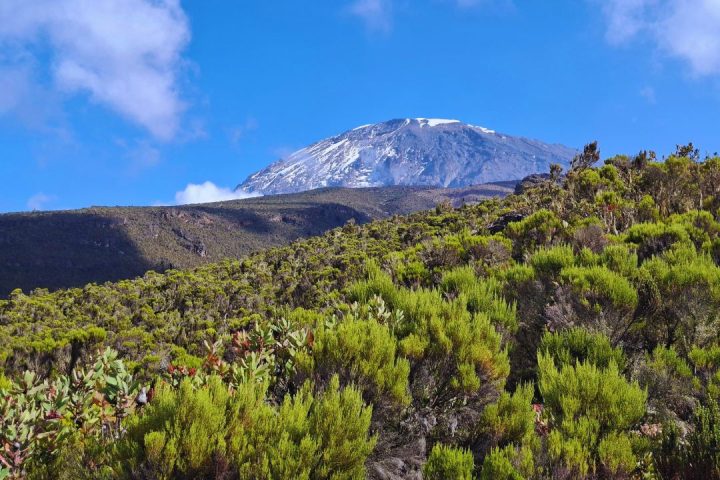
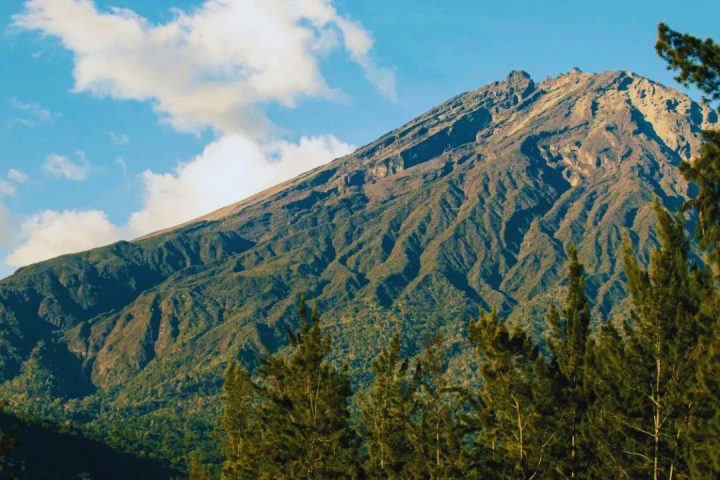
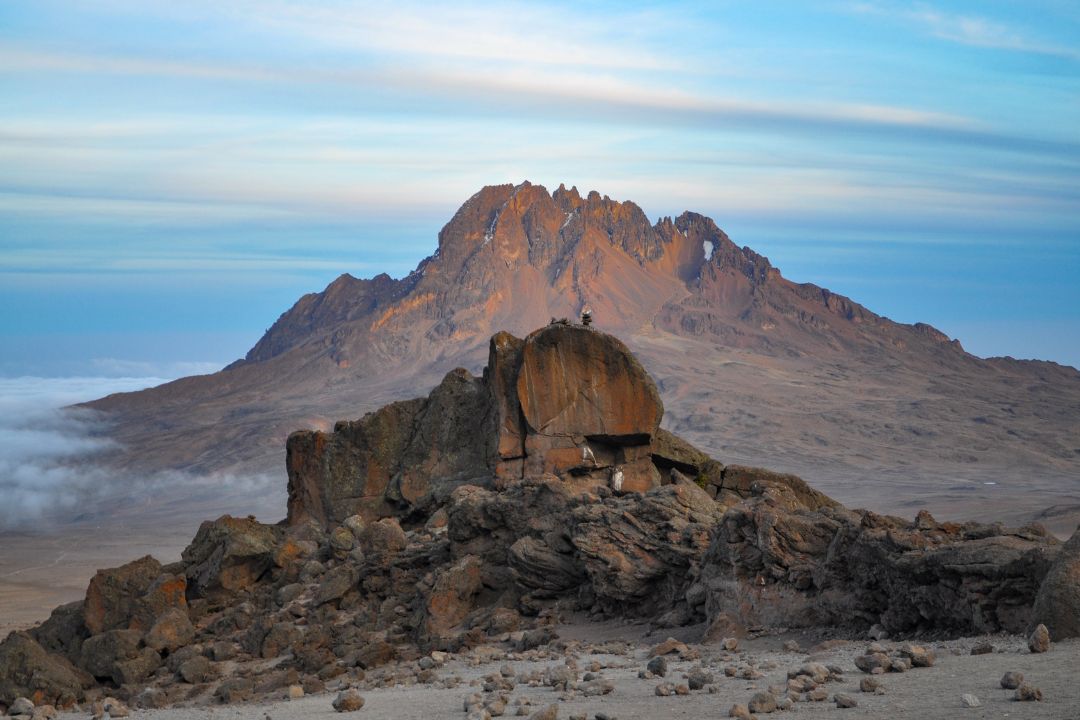
    Mount Kilimanjaro is one of the world’s most accessible high-altitude summits, attracting thousands of trekkers every year. Unlike other high peaks, reaching the summit—Uhuru Peak—requires no technical climbing skills, only physical fitness and determination. The mountain is a dormant volcano composed of three distinct cones: Kibo, Mawenzi, and Shira.

    A trek up Kilimanjaro is often described as a journey from the tropics to the arctic in a single week. Trekkers pass through five distinct ecological zones, starting in lush rainforests and ending among the ancient, retreating glaciers of the summit. It is a symbol of African majesty and a vital water tower for the surrounding communities.

    The Five Ecological Zones

    One Mountain, Five Worlds

    • Cultivation & Rainforest (800m – 2,800m): The base consists of fertile farmland followed by a dense, misty rainforest home to blue monkeys and diverse birdlife.
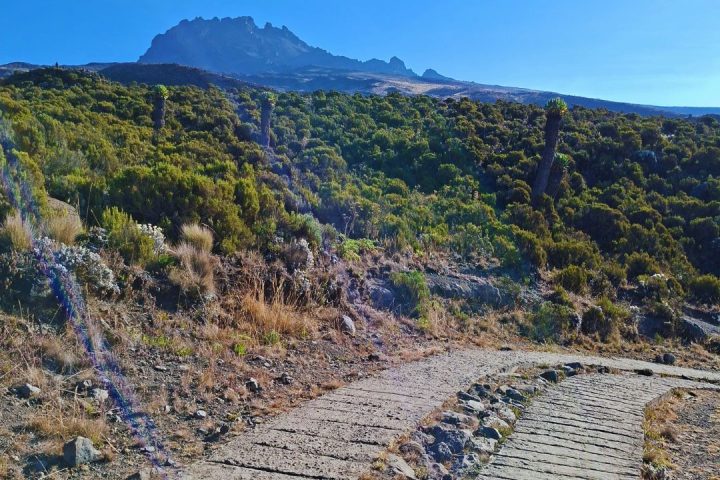
    • Heath & Moorland (2,800m – 4,000m): As the trees thin, the landscape opens into a surreal world of giant lobelias and groundsel plants.
    • High Altitude Desert (4,000m – 5,000m): A stark, lunar landscape with extreme temperature fluctuations and very little vegetation.
    • Arctic Summit (Above 5,000m): The final push to the top is characterized by ice, scree, and the famous hanging glaciers of the Kibo crater.
    • The Volcanic Cones: While Shira and Mawenzi are eroded and jagged, Kibo remains the highest point and the focus of most expeditions.

    Wildlife

    The Cast of Characters

    🐒 Rainforest Resident

    Blue Monkey

    Commonly seen in the lower montane forest zone before the altitude limits primate activity.

    🌵 Endemic Species

    Giant Senecio

    Prehistoric-looking plants that only grow at high altitudes, reaching up to 10 feet in height.

    🦅 High Altitude

    White-necked Raven

    Often seen at high-altitude camps, these intelligent birds thrive even in the thin mountain air.

    🐆 Rare Sight

    Leopard

    Extremely elusive on the mountain, though tracks have historically been found near the ice fields.

    🦌 Endangered

    Abbott’s Duiker

    One of the world’s rarest antelopes, this shy forest dweller is almost exclusive to Kilimanjaro.

    🐁 Alpine Scavenger

    Four-striped Mouse

    A hardy rodent often seen darting between rocks in the moorland and alpine desert zones.

    🐦 Moorland Zone

    Malachite Sunbird

    A brilliant metallic-green bird that feeds on the nectar of lobelias in the high-altitude heath.

    🐒 Lower Forest

    Colobus Monkey

    Distinctive black-and-white primates that leap through the trees near the mountain’s entrance gates.

    The Paths to the Peak

    Route Selection

    Choosing a route is a balance between your physical comfort, your desire for scenery, and your body’s ability to adapt to thin air.

    1. Machame Route (The “Whiskey” Route)

    • The Vibe: High energy and high success. It is the most popular route for a reason.

    • Technical Profile: Features the famous Barranco Wall, a non-technical scramble that is often the highlight for many trekkers.

    • Acclimatization: Excellent “climb high, sleep low” opportunities, making it a top choice for first-time high-altitude climbers.

    2. Lemosho Route (The Scenic Masterpiece)

    • The Vibe: Remote, pristine, and premium. It begins in the lush rainforests of the west.

    • Technical Profile: A longer itinerary (typically 7 or 8 days) allows for a much smoother transition to high altitude.

    • Key Highlight: Crossing the vast Shira Plateau, one of the highest plateaus on earth, with spectacular views of the Kibo cone.

    3. Marangu Route (The “Coca-Cola” Route)

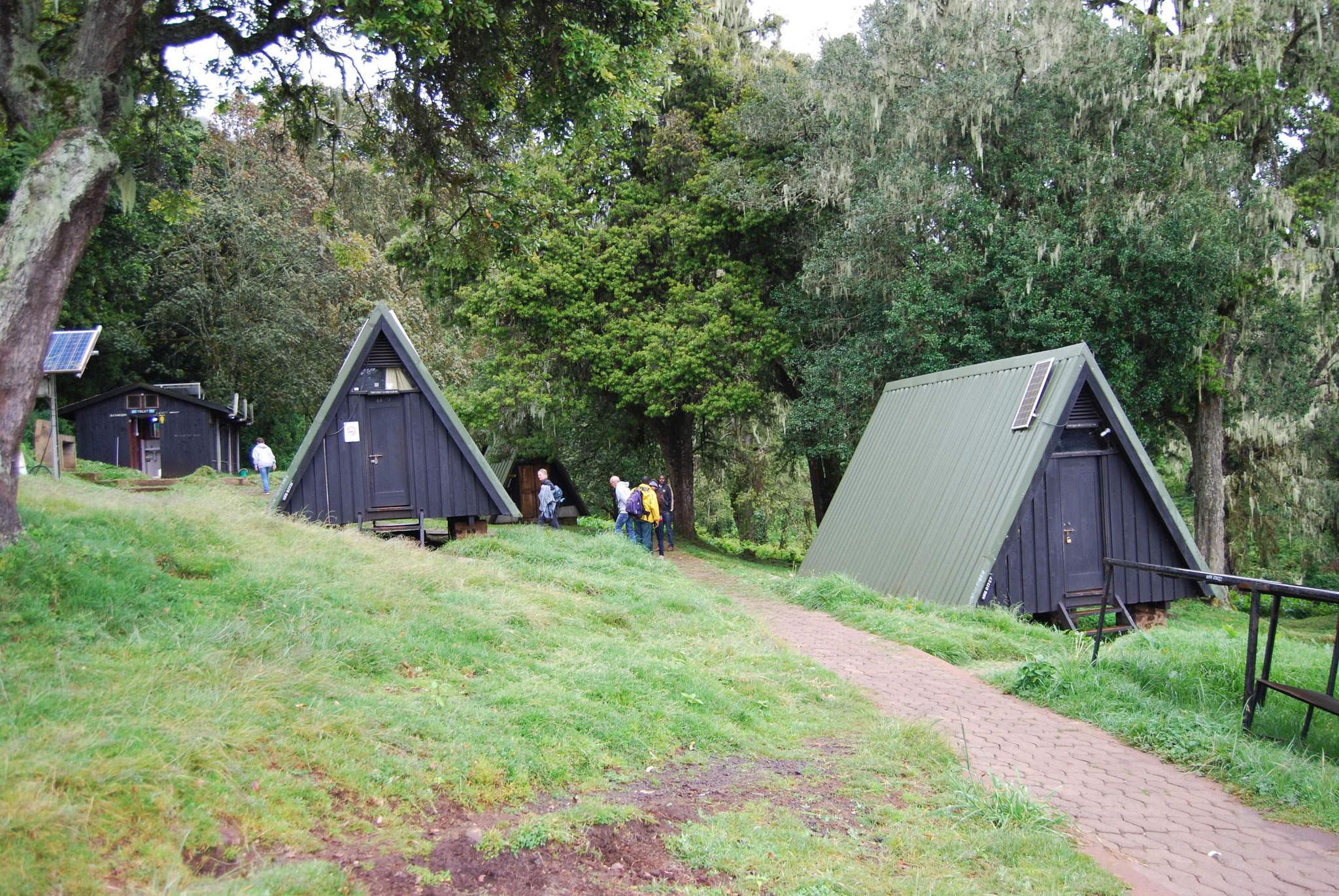
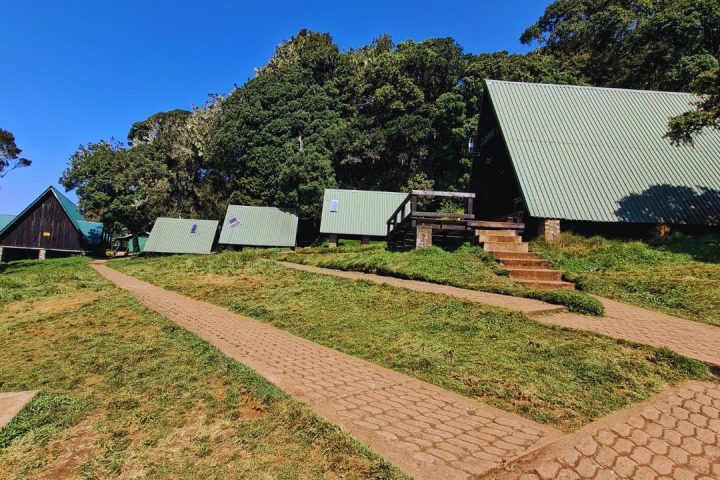
    • The Vibe: Traditional and sheltered. It is the only route that utilizes permanent A-frame huts instead of camping.

    • Technical Profile: Often perceived as “easy” because the path is well-defined, but the rapid ascent profile actually results in a lower success rate for the 5-day version.

    • Note: You ascend and descend on the same path, which means less variety in scenery compared to other routes.

    4. Northern Circuit (The Grand Circle)

      • The Vibe: Complete solitude and 360-degree vistas. This is the newest and longest route on the mountain.

      • Technical Profile: By circling the quiet northern slopes, you spend more time at a consistent altitude (around 3,800m to 4,000m), leading to the highest summit success rates (90%+).

      • The Draw: Remote wilderness and incredible views looking north toward the Kenyan border.

    Route Days Difficulty Success Rate Landscape Style
    Machame 6-7 High 85% Diverse
    Lemosho 7-8 Medium 90% Panoramic
    Marangu 5-6 Medium 50-60% Classic
    Rongai 6-7 Medium 80% Wild/Dry
    Northern 9 Steady 95% Remote

    Conquer Kilimanjaro

    The Success
    Strategy

    Reaching the “Roof of Africa” is a test of endurance and acclimatization.

    • Pole Pole: The Swahili phrase for “slowly, slowly.” This is the golden rule of Kilimanjaro to prevent altitude sickness.
    • Expert Guides: Professional teams handle the logistics, cooking, and safety monitoring to ensure a high success rate.
    • Route Selection: Choosing the right route (such as Machame or Lemosho) is critical for allowing the body time to adjust to the elevation.
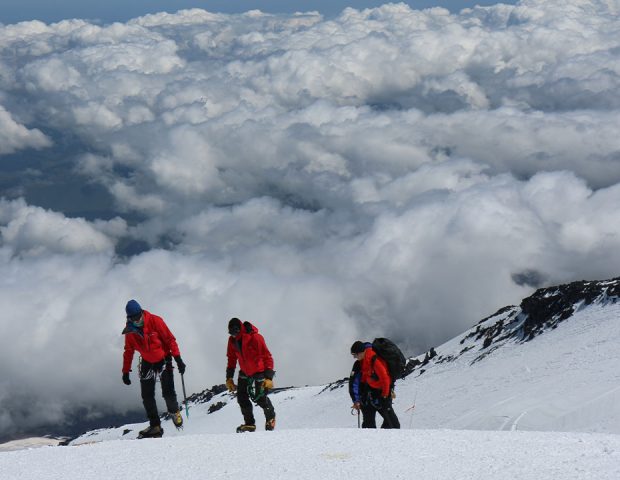
    Kilimanjaro-Marangu-Route

    When to Visit

    Mount Kilimanjaro by Season

    ☀️ Jan – Mar
    Clear & Cold

    Excellent visibility and relatively clear skies. This is one of the most popular windows for summiting due to the dry weather.

    🌧️ Apr – May
    The Long Rains

    Heavy rain and snow. Trails can be muddy and difficult. Recommended only for experienced trekkers seeking total solitude.

    🔭 Jun – Oct
    Peak Season

    The main climbing season. Dry weather and stable conditions make this the most reliable time to reach the Uhuru Peak.

    ⛈️ Nov – Dec
    Short Rains

    Intermittent showers mostly in the afternoons. Offers beautiful, clear mornings and far fewer hikers on the trails.

    Start Planning

    Mount Kilimanjaro Tours

    Start Your Journey

    Your East Africa Tour
    Begins with a Conversation

    Tell us your dream safari and our Tanzania-born specialists will craft a tailor-made itinerary — at no obligation. Browse our sample trips for inspiration, or let us start from scratch. Either way, we’ll make it unforgettable.
  • The Peak Spirit

    The Peak Spirit

    The Peak Spirit

    Experience the majesty of Africa’s highest peak without the full climb. Trek through lush montane rainforests to Mandara Hut for breathtaking views and alpine fresh air.

    Experience the thrill of walking on Africa’s highest mountain without committing to a full summit climb on this unforgettable Mount Kilimanjaro Day Hike to Mandara Hut. This excursion is the perfect choice for travelers who wish to explore the beauty of Mount Kilimanjaro, enjoy the mountain atmosphere, and hike through its famous rainforest zone within a single day. Ideal for nature lovers, families, soft adventurers, and those with limited time, this trip offers a real taste of Kilimanjaro’s trekking magic.

    The hike follows the first section of the classic Marangu Route, beginning from Marangu Gate on the southeastern side of the mountain. As you ascend through dense montane forest, you will encounter towering eucalyptus and fig trees, moss-covered trunks, tropical birdlife, and possibly blue monkeys or colobus monkeys swinging through the canopy. The trail is wide, gradual, and well-maintained, making it suitable for most fitness levels while still providing a genuine mountain trekking experience.

    Your destination is Mandara Hut, the first overnight station for summit climbers at approximately 2,700 meters above sea level. Here, guests can rest, enjoy lunch, and take an optional short walk to the nearby Maundi Crater viewpoint for spectacular panoramic views of northern Tanzania, weather permitting. This day trip combines exercise, nature, fresh mountain air, and the prestige of hiking on the legendary slopes of Mount Kilimanjaro.

    With private transport, professional mountain guide service, park permits, and seamless organization, Sereti Wilderness Safaris proudly offers the Kilimanjaro Day Hike to Mandara Hut as one of the finest active day excursions from Arusha or Moshi.

    Gallery

    Tour Highlights

    Tour Itinerary

    Morning Departure

    Your day begins with an early morning pick-up from your hotel in Arusha or Moshi by the Sereti Wilderness Safaris driver-guide. At approximately 6:30 AM, depart for the scenic drive to Marangu Gate, the main southeastern entrance to Mount Kilimanjaro National Park.

    The drive passes through beautiful Chagga villages, coffee farms, banana plantations, and open views of Mount Kilimanjaro rising above the countryside. Arrive at Marangu Gate around 8:30 AM, where park registration formalities are completed and you meet your professional mountain guide for a short hiking briefing.

    Soon after, begin your ascent through Kilimanjaro’s dense rainforest. The path is wide and gradually climbing, making it comfortable yet adventurous. As you walk deeper into the forest, enjoy sightings of giant trees, colorful flowers, moss-covered branches, black-and-white colobus monkeys, blue monkeys, and numerous forest birds.

    The cool mountain air and peaceful surroundings make this section one of Kilimanjaro’s most beautiful lower trails.

    Midday at Mandara Hut

    After approximately 3 to 4 hours of hiking, arrive at Mandara Hut (2,700m), the first mountain hut used by summit climbers on the Marangu Route.

    Here you will enjoy a well-deserved packed or hot lunch while resting in the peaceful forest clearing. Mandara Hut offers a wonderful atmosphere where guests can observe summit climbers beginning their longer journeys while soaking in the fresh alpine air.

    After lunch, those with enough energy may take a short optional hike of about 15–20 minutes to Maundi Crater, a nearby volcanic viewpoint that offers panoramic views across the Kenyan plains, northern Tanzania countryside, and occasionally Kibo Peak when weather conditions are clear.

    This adds an extra scenic reward before beginning the descent.

    Afternoon Descent & Return Drive

    At approximately 1:30 PM, begin the descent back through the rainforest to Marangu Gate. The downhill walk is relaxed and offers another chance to appreciate the rich vegetation and wildlife of Mount Kilimanjaro’s lower slopes.

    Arrive back at Marangu Gate in the late afternoon, where you will sign out of the park and receive a day hiker certificate as a memorable token of your Kilimanjaro experience.

    Your Sereti Wilderness Safaris driver will then transfer you comfortably back to Arusha or Moshi, arriving at your hotel around 5:30 PM to 6:30 PM depending on location.

    This concludes a fulfilling day of mountain hiking, forest exploration, and unforgettable views on the Roof of Africa.

    Accommodation: N/A
    Meal Plan: Lunch

    Tour Includes

    • Transport in a private vehicle
    • Professional English-speaking mountain guide
    • Mount Kilimanjaro National Park entry fees
    • Hiking permits and government taxes
    • Packed lunch box or hot lunch
    • Bottled drinking water and soft drinks
    • Pick up and drop off at your hotel in Moshi / Arusha

    Tour Excludes

    • Tips for guide and driver
    • Personal hiking gear
    • Alcoholic beverages
    • Travel insurance
    • Personal expenses
    • Accommodation before or after the trip

    At a Glance

    Tour Price From

    Per person, based on double occupancy

    Book This Tour

    Send an Enquiry

    Fill in the form and well get back to you within 24 hours.
    We respond within 24 hours. Your details are never shared.

    Chat on WhatsApp

    Fastest way to get a response

    Our safari experts are available 7 days a week. Ask anything — from itinerary advice to availability checks. We typically respond within minutes during business hours.

    Call Us

    Mon – Sat, 8am – 6pm EAT

    +255 787 004 072

    Email Us

    Response within 24 hours

  • The Azure Escape

    The Azure Escape

    The Azure Escape

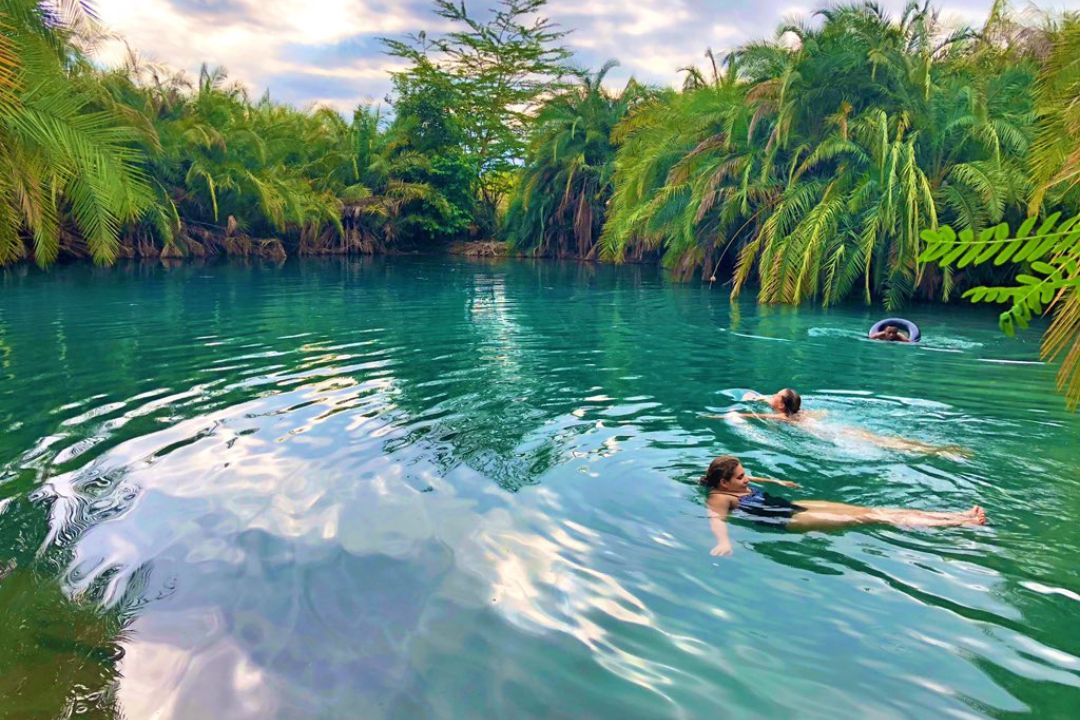
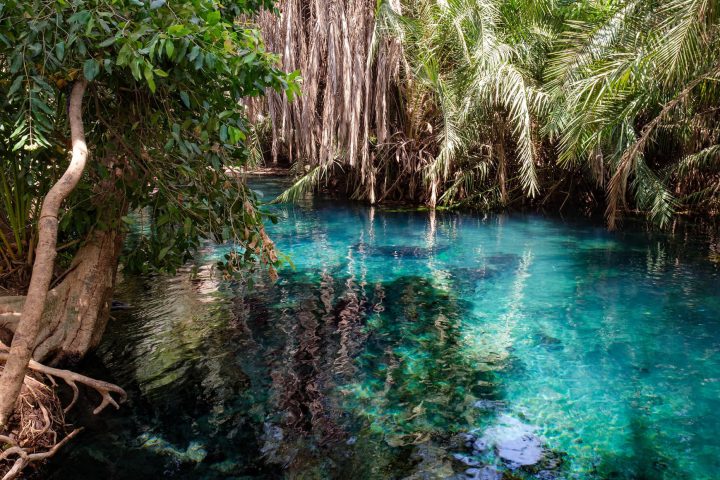
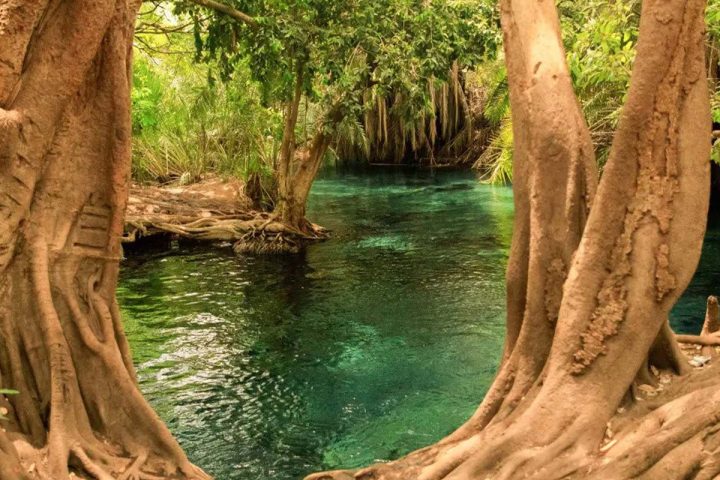
    Discover a hidden oasis of turquoise thermal waters. Relax in the natural, warm springs shaded by majestic fig trees—a perfect recovery after a rugged safari adventure.

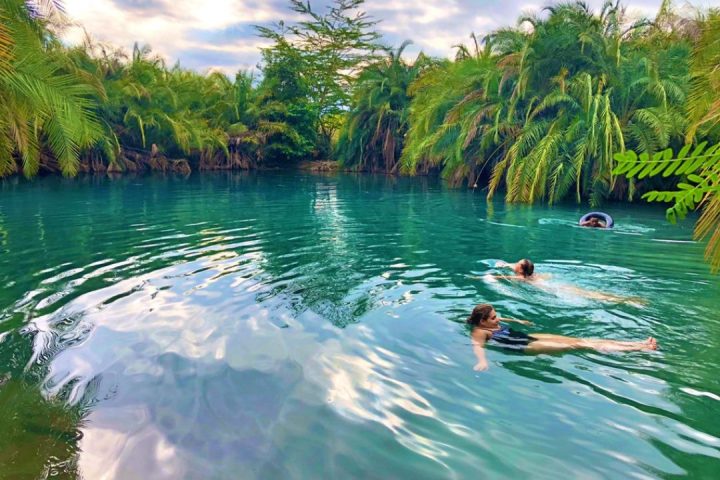
    Escape into one of northern Tanzania’s most refreshing hidden oases with a full-day excursion to Kikuletwa Hot Springs, locally known as Chemka Hot Springs. Nestled between Moshi and Arusha in the heart of a semi-arid landscape, this geothermal spring is a surprising natural paradise where crystal-clear turquoise water emerges from underground, surrounded by fig trees, palms, and hanging roots. Despite the name “hot springs,” the water is pleasantly warm, clean, and inviting throughout the year, making it one of the best swimming spots in the Kilimanjaro region.

    This day trip offers the perfect combination of relaxation, scenic countryside, and soft adventure. The drive to Chemka takes you through Maasai villages, dry acacia plains, and open local farmland before suddenly revealing this hidden freshwater pool shaded by giant trees. The natural spring is fed by underground streams originating from Mount Kilimanjaro, creating an exceptionally clear pool ideal for swimming, floating, rope swinging, or simply unwinding in nature.

    Whether you are looking for a peaceful day after a safari, a relaxing pre-Kilimanjaro warm-up, or a fun family outing, Chemka Hot Springs provides a rejuvenating experience far from the crowds. Combined with picnic lunch, refreshing drinks, and personalized guide service, this excursion offers a full day of tropical relaxation in the Tanzanian wilderness.

    With comfortable transport, knowledgeable guides, and excellent hospitality, Sereti Wilderness Safaris proudly offers the Kikuletwa Hot Springs Day Trip as one of the most refreshing short tours from Arusha or Moshi.

    Gallery

    Tour Highlights

    Tour Itinerary

    Morning Departure

    Your day begins with an early morning pick-up from your hotel in Arusha or Moshi by the Sereti Wilderness Safaris driver-guide. At approximately 8:00 AM, depart for a scenic drive toward Kikuletwa Hot Springs, located in the rural interior between the Kilimanjaro and Arusha regions.

    The drive passes through changing landscapes of local farms, dry bush country, Maasai settlements, and open plains with occasional views of Mount Kilimanjaro and Mount Meru on clear days. This countryside journey offers a glimpse into everyday rural Tanzanian life far from the main tourist centers.

    Arrive at Chemka Hot Springs around 10:00 AM, where the contrast is immediate—a lush green oasis hidden in the middle of dusty semi-arid terrain. After a short orientation from your guide, settle into the beautiful spring area and prepare for a relaxing day.

    The natural pool is fed by underground geothermal streams and is famous for its transparent blue-green water, gentle warmth, and soft sandy bottom. Guests may swim, float, rope swing from the overhanging tree roots, or simply relax under the shade listening to birds and flowing water.

    Lunch Time

    At approximately 12:30 PM, enjoy a picnic lunch served in the shaded resting area near the spring.

    Lunch may include sandwiches, seasonal fruits, chicken, snacks, local dishes, and refreshing soft drinks depending on arrangement. The peaceful setting allows guests to dine while surrounded by tropical vegetation and the soothing sound of bubbling spring water.

    After lunch, there is plenty of free time to continue swimming, sunbathing, taking photos, or simply enjoying the calm atmosphere of this natural hidden paradise.

    Afternoon Leisure & Return Drive

    The afternoon is reserved for complete relaxation and personal enjoyment at Chemka. Many travelers choose to spend this time floating in the mineral-rich water, exploring the spring edges, or using the hanging roots for playful rope swings into the pool.

    Because the water remains crystal clear and pleasantly warm, it is ideal for long swims and total refreshment, especially during Tanzania’s warmer months. The site also offers beautiful reflections, fish beneath the water, and shady corners perfect for resting.

    At approximately 3:30 PM, begin the return drive back to Arusha or Moshi. The peaceful countryside ride offers one final chance to enjoy Tanzania’s open landscapes before arriving back at your hotel around 5:30 PM.

    This concludes a rejuvenating day of nature, swimming, and relaxation.

    Accommodation: N/A
    Meal Plan: Lunch

    Tour Includes

    • Transport in a private vehicle
    • Professional English-speaking guide
    • Entrance fees to Kikuletwa Hot Springs
    • Picnic lunch or hot lunch depending on arrangement
    • Bottled drinking water and soft drinks
    • Swimming time at Chemka Hot Springs
    • Pick up and drop off at your hotel in Moshi / Arusha
    • Government taxes and levies
    •  

    Tour Excludes

    • Tips for guide and driver
    • Personal expenses
    • Alcoholic beverages
    • Towels and swimwear
    • Travel insurance
    • Accommodation before or after the trip

    At a Glance

    Tour Price From

    Per person, based on double occupancy

    Book This Tour

    Send an Enquiry

    Fill in the form and well get back to you within 24 hours.
    We respond within 24 hours. Your details are never shared.

    Chat on WhatsApp

    Fastest way to get a response

    Our safari experts are available 7 days a week. Ask anything — from itinerary advice to availability checks. We typically respond within minutes during business hours.

    Call Us

    Mon – Sat, 8am – 6pm EAT

    +255 787 004 072

    Email Us

    Response within 24 hours

  • Arusha National Park

    Arusha National Park

    Tanzania

    Arusha National Park

    A multi-faceted jewel where the shadow of Mount Meru meets high-altitude craters and the colorful Momella Lakes

    Established

    1960

    Defining Feature

    Mount Meru

    Activities

    Canoeing, & mountain climbing

    Best Time

    Jun – Oct

    About the Park

    Arusha National Park is one of Tanzania’s most underrated destinations, despite being the closest park to the safari hub of Arusha. It offers a stunning variety of landscapes that contrast sharply with the vast plains of the Serengeti. Within its small borders, you will find lush montane forests, alpine moors, and the spectacular Ngurdoto Crater—often called “Little Ngorongoro.”

    The park is dominated by Mount Meru (4,566m), Tanzania’s second-highest peak, which offers a rugged trekking alternative to Kilimanjaro. It is one of the few places in the country where you can enjoy a walking safari through herds of buffalo or canoe across the tranquil Momella Lakes, all while viewing a unique array of primates and birdlife.

    Regions of the Park

    Regions of the the Park.

    • Ngurdoto Crater: A 3km-wide caldera surrounded by steep cliffs and dense forest. The marshy floor is a sanctuary for buffalo and warthog, viewable from several rim-side lookout points.
    • Momella Lakes: A series of seven alkaline lakes, each a different shade of green or blue. They are home to thousands of flamingos and a wide variety of waterfowl.
    • Mount Meru: The towering volcanic centerpiece. Its lower slopes are forested and rich in wildlife, while the higher reaches offer dramatic rocky ridges and views of Mount Kilimanjaro.
    • The Little Serengeti: A small patch of open grassland near the park entrance where zebra, giraffe, and waterbuck are frequently seen grazing.

    Wildlife

    The Cast of Characters

    🐒 Park Icon

    Colobus Monkey

    The park’s flagship species, easily spotted by their striking long white tails in the forest canopy.

    🦒 High Concentration

    Maasai Giraffe

    Arusha NP is famous for its dense giraffe population, often seen against the backdrop of Mt. Meru.

    🦩 Seasonal Thousands

    Flamingo

    The Momella Lakes serve as a vital feeding ground for both Lesser and Greater flamingos.

    🐃 Resident Herds

    Cape Buffalo

    Frequently encountered during walking safaris in the glades and around the Ngurdoto Crater rim.

    🐵 Forest Inhabitant

    Blue Monkey

    These playful primates are common in the montane forest, often heard before they are seen.

    🐗 Common Sight

    Warthog

    Often found grazing on the grassy slopes near the park gates and the Small Serengeti area.

    🦌 Shy Resident

    Bushbuck

    A delicate antelope that favors the thickets and forest edges; best spotted in the early morning.

    🦌 Lake-side Dweller

    Waterbuck

    Distinctive for their shaggy coats, they are almost always found near the edges of the Momella Lakes.

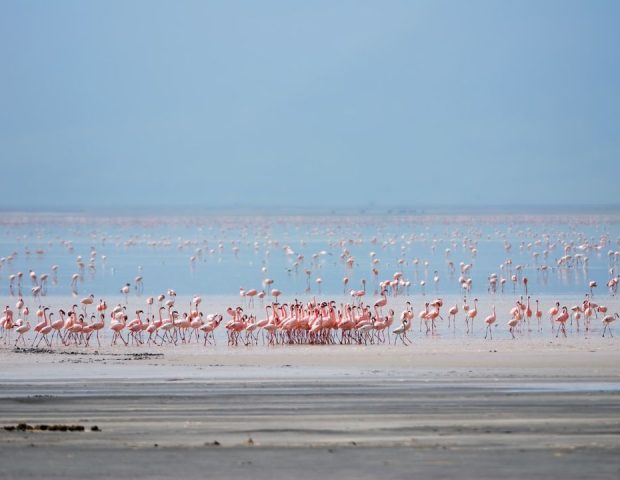
    Flamingos in Manyara

    The Walking &
    Water Safari

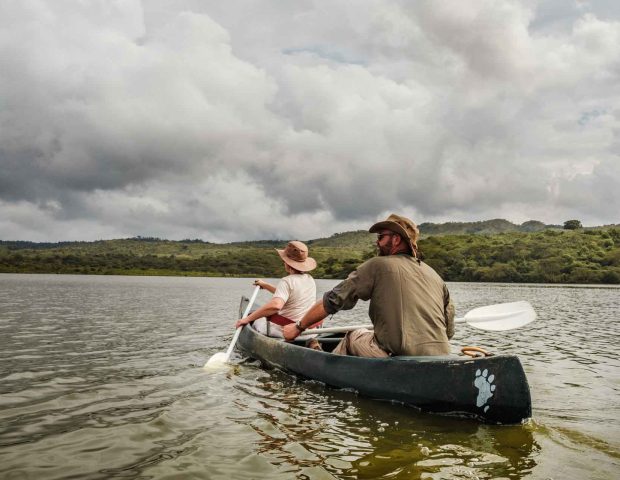
    • Canoe Safari: Glide across the Momella Lakes to get close to hippos and water birds without the sound of an engine.
    • Walking Safaris: Accompanied by an armed ranger, you can walk through the forest and plains, experiencing the sights and smells of the bush on foot.
    • The Kilimanjaro View: On clear days, the park offers some of the most dramatic and unobstructed views of Mount Kilimanjaro, located just 50km to the east.
    Canoeing-Arusha-NP-main

    When to Visit

    Arusha by Season

    ☀️ Jun – Oct
    Peak Dry Season

    Best for wildlife viewing and climbing Mt. Meru. Skies are clear, offering the best views of Mt. Kilimanjaro.

    ⛈️ Nov – Dec
    Short Rains

    Birding is excellent as migratory species arrive. The landscape becomes lush and green very quickly.

    ⛅ Jan – Mar
    Clear & Cool

    Great visibility and pleasant temperatures. Ideal for day trips from Arusha before the long rains begin.

    🌧️ Apr – May
    Long Rains

    Waterfalls are spectacular and the forest is at its most magical. Quiet trails offer a very private experience.

    Start Planning

    Arusha Tours

    Start Your Journey

    Your East Africa Tour
    Begins with a Conversation

    Tell us your dream safari and our Tanzania-born specialists will craft a tailor-made itinerary — at no obligation. Browse our sample trips for inspiration, or let us start from scratch. Either way, we’ll make it unforgettable.
  • Manyara National Park

    Manyara National Park

    Tanzania

    Manyara National Park

    An emerald sanctuary of tree-climbing lions and soda-ash shores where the Rift Valley meets a groundwater forest

    Established

    1960

    Defining Feature

    600m Rift Valley Escarpment.

    Big Five

    Only Rhino is absent

    Best Time

    Jun – Oct

    About the Park

    Lake Manyara is a compact gem offering a remarkably diverse range of ecosystems within a small area. Hemmed in by the towering rust-gold cliffs of the Great Rift Valley, the park transitions from a dense, jungle-like groundwater forest to open floodplains and the vast, shimmering soda lake.

    The park was immortalized by Ernest Hemingway, who described it as the “loveliest I had seen in Africa.”. It is most famous for its unique population of tree-climbing lions and for the “pink fringe” of thousands of flamingos that line the lake’s edge. Despite its size, it supports a high density of elephants and serves as a vital corridor for wildlife moving between the highlands and the plains.

    Regions of the Park

    Regions of the the Park.

    • Groundwater Forest: Fed by underground springs from the Rift Valley, this lush canopy is home to large troops of baboons, blue monkeys, and hornbills.
    • The Floodplains: Wide-open grasslands between the forest and the lake where zebra, wildebeest, and buffalo graze under the watchful eyes of predators.
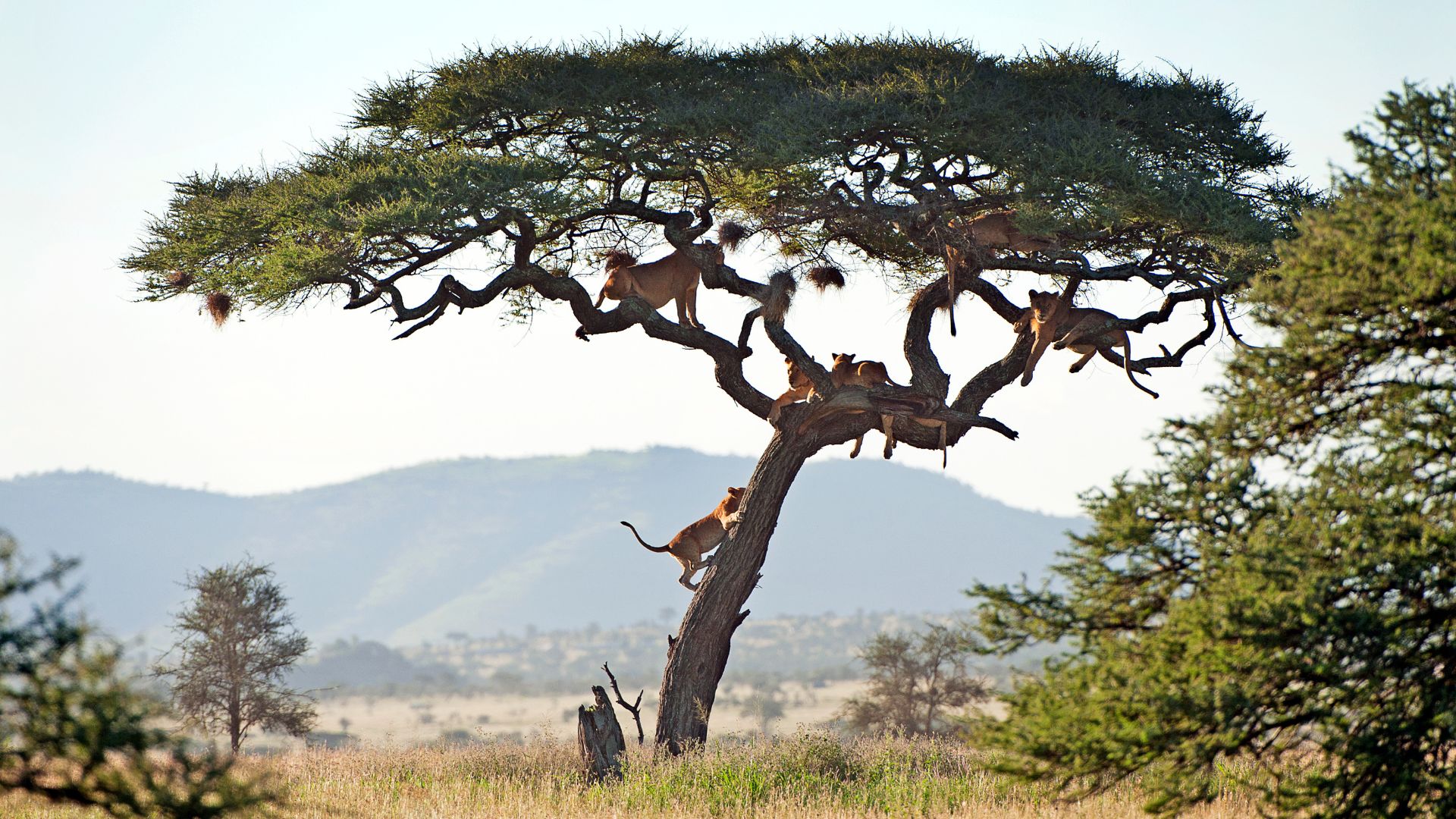
    • Acacia Woodlands: The primary habitat for Manyara’s famous tree-climbing lions and a favored spot for giraffes and elephants.
    • Maji Moto Hot Springs: Located in the south, these bubbling geothermal springs are surrounded by a unique micro-ecosystem at the very edge of the lake.

    Wildlife

    The Cast of Characters

    🦁 Unique Behavior

    Tree-Climbing Lion

    Renowned for the rare habit of lounging in the branches of ancient mahogany and acacia trees.

    🦩 Thousands

    Lesser Flamingo

    Creates a “pink fringe” along the alkaline lake shores, alongside 400+ other bird species.

    🐘 High Density

    Elephant

    The park’s dense forest provides a perfect sanctuary for large, resident breeding herds.

    🐒 Massive Troops

    Olive Baboon

    Home to some of the largest baboon troops in Africa, often seen patrolling the forest roads.

    🦛 Hippo Pool

    Hippo

    The Simba River hippo pool offers guaranteed sightings of these social water giants.

    🐵 Forest Specialist

    Blue Monkey

    Commonly heard and seen jumping through the high canopy of the groundwater forest.

    🦒 Very Common

    Masai Giraffe

    Found browsing in the acacia woodlands between the forest and the lake shore.

    🐃 Large Herds

    Cape Buffalo

    Often seen grazing in the floodplains and marshy areas surrounding the lake.

    Flamingos in Manyara

    The Great Flamingo
    Show

    • The Pink Lake: During the wet season, thousands of flamingos congregate to feed on the lake’s algae.
    • Birding Diversity: Over 400 species have been recorded, including pelicans, storks, and many migratory waders.
    • The Escarpment Views: The lake provides a stunning backdrop for photography, especially when the water levels are high.
    Manyara (1)

    When to Visit

    Lake Manyara by Season

    ☀️ Jun – Oct
    Dry Season

    Best for large mammals. Animals congregate near water sources and the vegetation is thinner for easier spotting.

    ⛈️ Nov – Dec
    Short Rains

    Peak birdwatching season begins. The lake starts filling, flamingos arrive, and the scenery turns lush.

    ⛅ Jan – Feb
    Short Dry Spell

    A great balance of green landscapes and good wildlife visibility before the heavy long rains begin.

    🌧️ Mar – May
    Long Rains

    The groundwater forest becomes a vibrant jungle. Perfect for photographers seeking dramatic light and deep greens.

    Start Planning

    Lake Manyara Tours

    Start Your Journey

    Your East Africa Tour
    Begins with a Conversation

    Tell us your dream safari and our Tanzania-born specialists will craft a tailor-made itinerary — at no obligation. Browse our sample trips for inspiration, or let us start from scratch. Either way, we’ll make it unforgettable.
  • The Heritage Path

    The Heritage Path

    The Heritage Path

    Hike to the towering Materuni Falls at the base of Kilimanjaro. Immerse yourself in Chagga culture with a traditional, hands-on organic coffee-making experience from bean to cup.

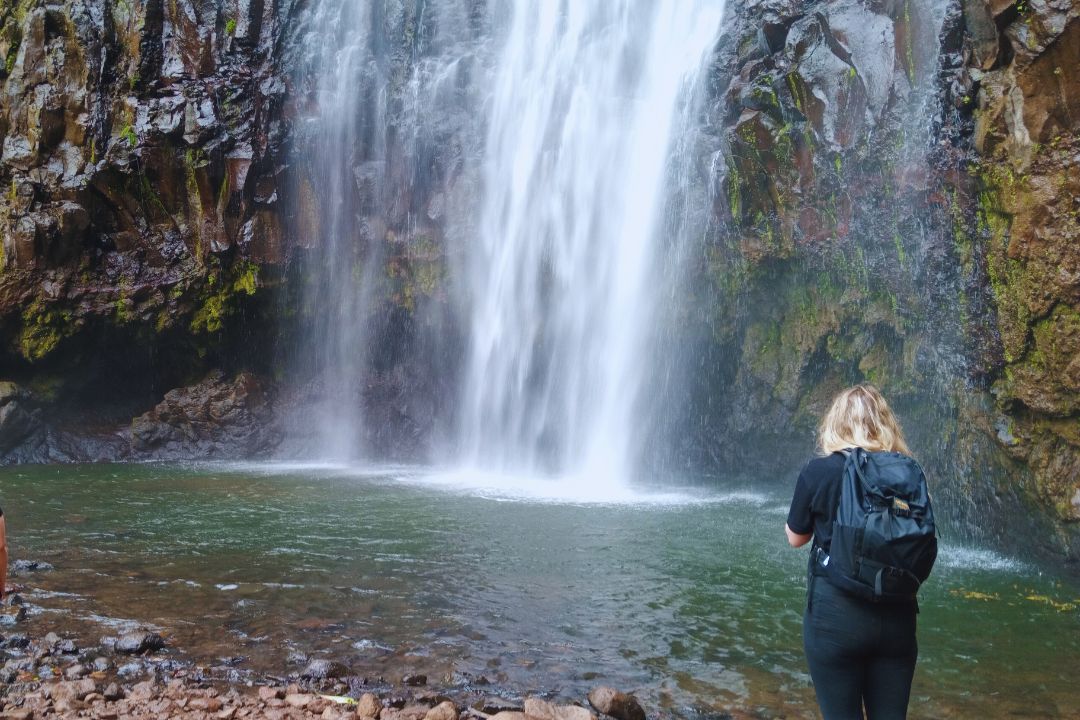
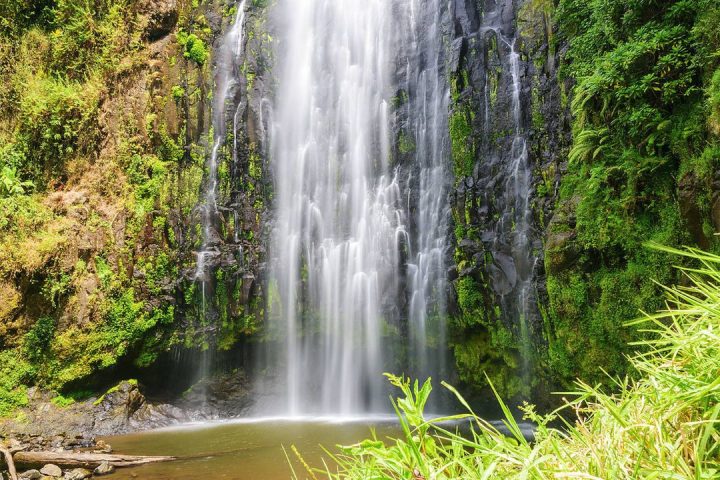
    Discover the lush beauty and cultural richness of northern Tanzania on an unforgettable full-day journey to Materuni Village, beautifully located at the foothills of Mount Kilimanjaro. This excursion offers a perfect blend of soft adventure, scenic countryside hiking, authentic village life, and immersive cultural interaction. Just a short drive from Moshi or Arusha, Materuni is renowned for its spectacular waterfall, vibrant Chagga traditions, and some of the finest Arabica coffee grown on the fertile volcanic slopes of Kilimanjaro.

    Your adventure begins with a guided walk through rolling banana plantations, coffee farms, and tropical greenery, where you will learn about local farming systems, medicinal plants, and the daily lifestyle of the Chagga people. The highlight of the morning is the breathtaking Materuni Waterfall, cascading over 70 meters down a moss-covered cliff into a crystal-clear natural pool. The cool mountain atmosphere, birdsong, and lush forest surroundings create a peaceful and refreshing escape from town life.

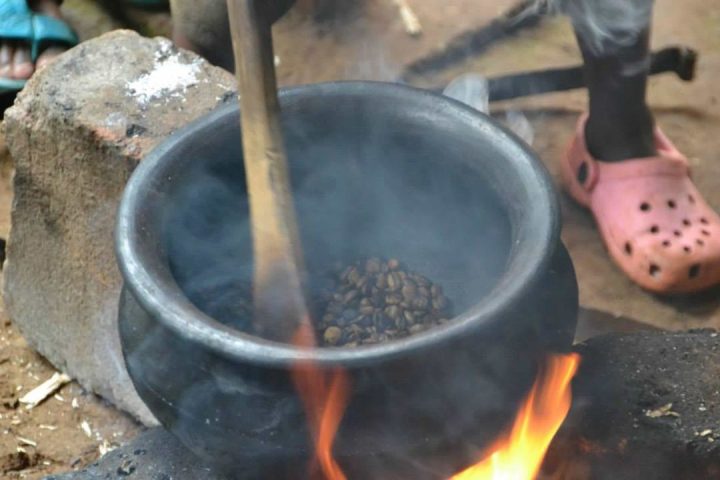
    After the hike, the cultural experience continues with an interactive Chagga coffee-making tour. From harvesting the ripe beans to roasting, pounding, grinding, and brewing, this hands-on activity allows guests to participate in every traditional stage of Kilimanjaro coffee production. Accompanied by local songs, laughter, and warm village hospitality, the day ends with a fresh cup of organic coffee and unforgettable memories of one of Tanzania’s most charming cultural landscapes.

    With private transport, experienced guides, local village hosts, and seamless organization, Sereti Wilderness Safaris proudly offers the Materuni Waterfalls & Coffee Tour as one of the most rewarding day trips from Arusha or Moshi.

    Gallery

    Tour Highlights

    Tour Itinerary

    Morning Departure

    Your day begins with an early morning pick-up from your hotel in Arusha or Moshi by the Sereti Wilderness Safaris driver-guide. At approximately 7:30 AM, depart for a scenic countryside drive toward Materuni Village, passing through small towns, open farmland, and the green lower slopes of Mount Kilimanjaro.

    Arrive at Materuni Village around 9:30 AM, where you will meet your local Chagga guide for a brief orientation before beginning the waterfall excursion. The guided hike to Materuni Falls takes approximately 45 minutes and leads through lush coffee farms, banana plantations, small streams, and dense tropical vegetation. Along the way, your guide will explain the different crops, medicinal herbs, birds, and traditional Chagga farming methods that sustain village life in this fertile mountain region.

    At around 10:30 AM, arrive at the magnificent Materuni Waterfall, where glacier-fed mountain water plunges more than 70 meters into a natural basin below. Guests have time to relax, take photographs, enjoy the refreshing mist, and for those interested, take a swim in the cool natural pool surrounded by lush forest scenery.

    Lunch Time

    At approximately 12:00 PM, begin the leisurely walk back toward the village where a traditional Chagga lunch will be freshly prepared and served.

    Enjoy a warm local meal featuring popular mountain dishes such as banana stew (machalari), rice, vegetables, beans, chicken or beef depending on arrangement, avocado, and seasonal tropical fruits. Lunch is often served in a relaxed communal setting, giving travelers the opportunity to interact with local hosts, learn more about Chagga customs, and experience genuine village hospitality.

    This mid-day cultural break offers both rest and a deeper connection to the people who call the Kilimanjaro foothills home.

    Afternoon Coffee Experience

    At approximately 1:30 PM, continue to a nearby family coffee farm for the famous Materuni Coffee Tour—one of the most interactive and enjoyable cultural experiences in northern Tanzania.

    Here, you will discover the full traditional process of Arabica coffee production:

    • picking ripe coffee cherries
    • drying and sorting beans
    • roasting over local firewood
    • pounding in wooden mortars
    • hand grinding and brewing fresh coffee

    Guests are invited to join the villagers in singing traditional Chagga songs while roasting and pounding the beans, making this experience lively, educational, and highly memorable. After the full process, sit down and enjoy drinking your own freshly made organic Kilimanjaro coffee.

    At approximately 3:30 PM, depart Materuni Village and begin the return drive back to Arusha or Moshi. Arrive at your hotel around 5:30 PM, marking the end of a beautiful day filled with nature, culture, food, and authentic local connection.

    Accommodation: N/A
    Meal Plan: Lunch

    Tour Includes

    • Transport in a private vehicle
    • Professional English-speaking guide
    • Entrance fees to Materuni Waterfalls
    • Guided village and waterfall hike
    • Traditional coffee tour and coffee-making experience
    • Hot local Chagga lunch
    • Bottled drinking water and soft drinks
    • Pick up and drop off at your hotel in Moshi / Arusha
    • Government taxes and levies
    •  

    Tour Excludes

    • Tips for guide and driver
    • Personal expenses (souvenirs, towels, extra drinks, etc.)
    • Alcoholic beverages
    • Travel insurance
    • Accommodation before or after the trip

    At a Glance

    Tour Price From

    Per person, based on double occupancy

    Book This Tour

    Send an Enquiry

    Fill in the form and well get back to you within 24 hours.
    We respond within 24 hours. Your details are never shared.

    Chat on WhatsApp

    Fastest way to get a response

    Our safari experts are available 7 days a week. Ask anything — from itinerary advice to availability checks. We typically respond within minutes during business hours.

    Call Us

    Mon – Sat, 8am – 6pm EAT

    +255 787 004 072

    Email Us

    Response within 24 hours

  • Tarangire National Park

    Tarangire National Park

    Tanzania

    Tarangire National Park

    The Land of Giants — where ancient baobabs stand sentry over Africa’s greatest elephant empire.

    Established

    1970

    Defining Feature

    Tarangire River

    Elephant Population

    Over 4,000 resident

    Best Time

    Jun – Oct

    About the Park

    Tarangire is often called the “hidden gem” of Tanzania’s Northern Circuit. While smaller than the Serengeti, it offers a distinct, rugged landscape dominated by massive, ancient Baobab trees—some over a thousand years old. The park’s lifeblood is the Tarangire River, which cuts through the valley and provides the only reliable water source for wildlife in the entire ecosystem during the long dry season.

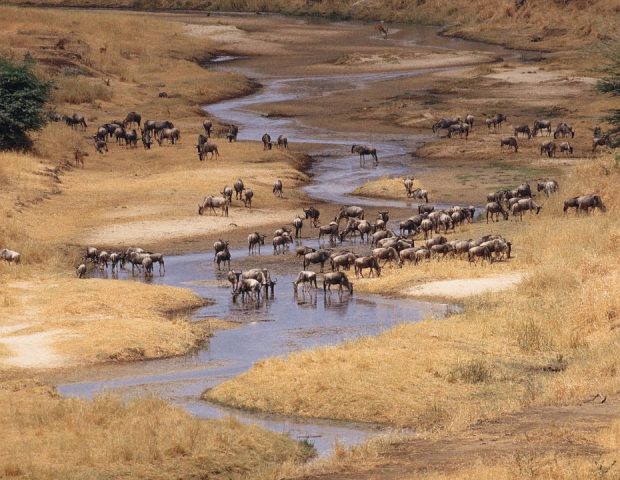
    The park is famous for having the highest concentration of elephants in Tanzania. During the peak of the dry season, the park hosts a “mini-migration” as thousands of animals—including wildebeest, zebra, and buffalo—flee the scorched surrounding plains to find water at the river’s edge.

    Regions of the Park

    Regions of the the Park.

    • The Tarangire River: The heart of the action. During the dry season, the river banks are crowded with elephants, migratory herds, and the lions and leopards that stalk them.
    • Lemiyon Triangle: The park’s northern tip, characterized by dense stands of baobab trees. It is a prime area for raptor sightings and massive elephant herds.
    • The Silale Swamp: A massive seasonal wetland that acts as a giant sponge. Even in the dry season, it remains green, attracting elephants and supporting a high density of pythons and lions.
    • The Southern Wilderness: A remote, uncrowded region consisting of dense bush and acacia woodland. This area offers a truly “wild” safari experience for those looking to escape the main trails.

    Wildlife

    The Cast of Characters

    🐘 ~4,000+ Individuals

    Elephant

    Renowned for massive herds and legendary “Tuskers” that congregate along the riverbed.

    🌳 Ancient Giants

    Baobab Tree

    Iconic “Upside-down trees” that define the skyline, some living for over 1,000 years.

    🦁 Abundant

    Lion

    Tree-climbing specialists often found lounging in the branches of sausage trees.

    🦌 Rare Specialist

    Fringe-eared Oryx

    A beautiful, arid-adapted antelope rarely seen elsewhere on the Northern Circuit.

    🐈 Thriving

    Leopard

    Master of camouflage, frequently spotted in the dense riverine woodlands.

    🦌 Local Resident

    Lesser Kudu

    Tarangire is one of the few places to spot these shy antelopes with spiral horns.

    🦒 Common Sight

    Masai Giraffe

    Tanzania’s national animal is found here in high numbers among the acacia trees.

    🐍 Unique Behavior

    African Python

    Famous for climbing trees to avoid the heat and ambush prey from above.

    The World’s Greatest Show

    The Mini
    Migration

    While the Serengeti has the “Great” migration, Tarangire has its own spectacular seasonal movement.

    • The Concentration: As the surrounding areas dry up, up to 250,000 animals migrate into the park.
    • The River Hub: The Tarangire River becomes a high-drama theater where predators and prey meet at the only available water.
    • Birding Paradise: With over 550 species, Tarangire has the highest number of breeding bird species in a single habitat anywhere in the world.
    Tarangire National Park (2)

    When to Visit

    Tarangire by Season

    ☀️ Jul – Oct
    Peak Dry Season

    The river is the only water left. Wildlife concentration is at its absolute peak. Best for big elephant herds.

    ⛈️ Nov – Dec
    Short Rains

    The landscape turns green and migratory birds arrive. Animals begin to disperse but sightings remain good.

    ⛅ Jan – Mar
    Green Season

    Beautiful landscapes and great for birdwatching. Many animals are in the calving season outside the park.

    🌧️ Apr – Jun
    Long Rains

    The main rainy season. Deep green scenery and newborn life. Some camps close, but the park is wonderfully quiet.

    Start Planning

    Tarangire Tours

    Start Your Journey

    Your East Africa Tour
    Begins with a Conversation

    Tell us your dream safari and our Tanzania-born specialists will craft a tailor-made itinerary — at no obligation. Browse our sample trips for inspiration, or let us start from scratch. Either way, we’ll make it unforgettable.
  • Ngorongoro Crater

    Ngorongoro Crater

    Tanzania

    Ngorongoro Crater

    A breathtaking natural sanctuary where the world’s largest intact caldera becomes an earthly paradise for Africa’s Big Five.

    Established

    1959

    UNESCO Site

    1979

    Big Five

    All Present

    Best Time

    Jun – Oct

    About the Park

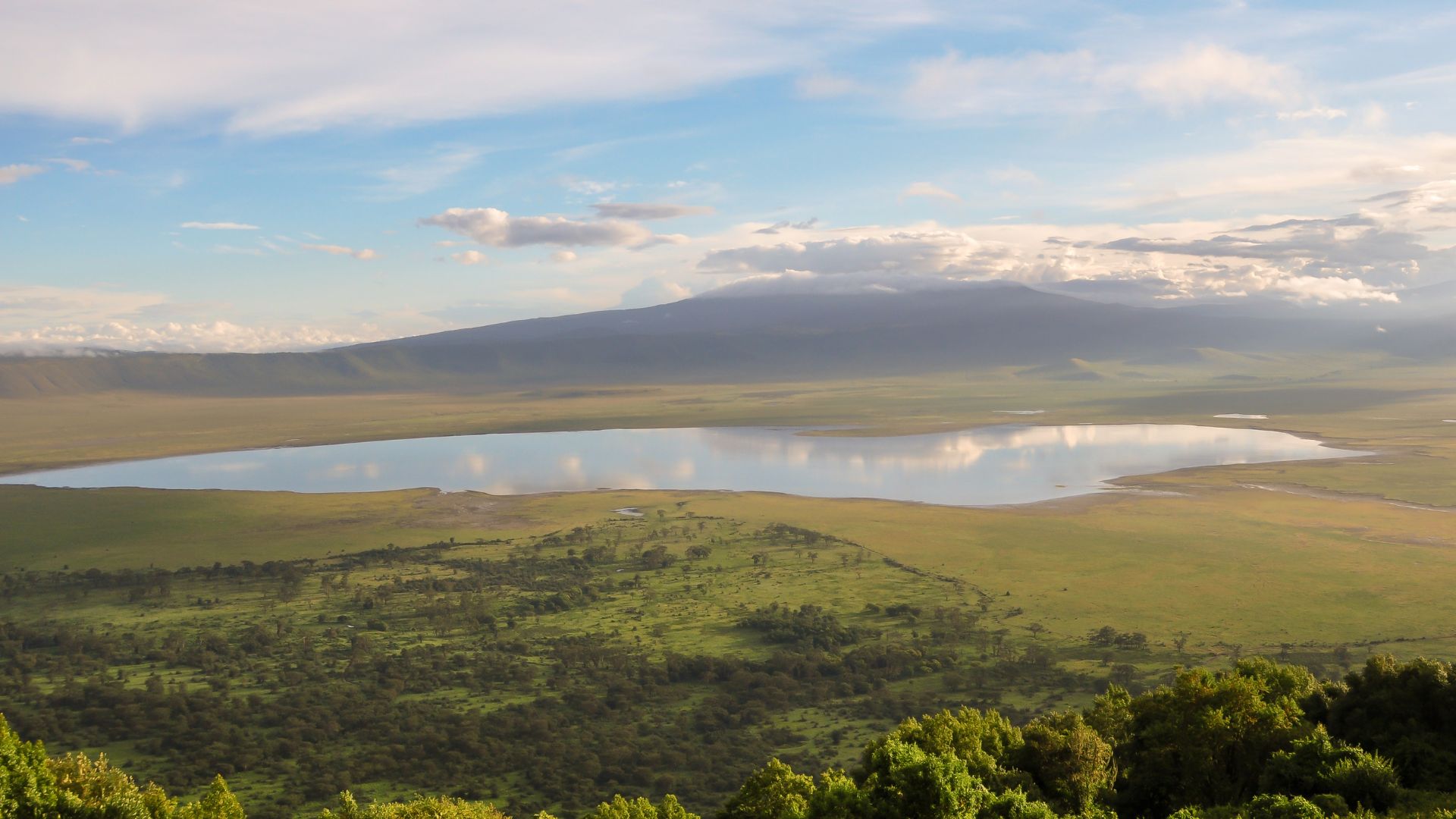
    The Ngorongoro Crater is the world’s largest inactive, intact, and unfilled volcanic caldera. Formed over two million years ago when a massive volcano collapsed, the crater now acts as a self-contained “natural zoo” with walls rising 610 meters above the floor.

    Beyond the wildlife, it is a place of immense historical significance. The nearby Olduvai Gorge is known as the “Cradle of Mankind,” where archaeological finds dating back nearly 2 million years have shaped our understanding of human evolution. Today, semi-nomadic Maasai pastoralists coexist within the conservation area, grazing their livestock alongside the park’s prodigious wildlife.

    Regions of the Park

    Regions of the Conservation Area.

    • The Crater Floor: The ultimate “Big Five” destination. A concentrated ecosystem of 25,000 animals living within a 20km-wide caldera.
    • Lerai Forest: A lush fever-tree forest on the crater floor, famous for its resident leopards and as a refuge for the majestic “big tusker” elephants.
    • Lake Magadi: A central alkaline lake that serves as a focal point for thousands of flamingos and a stalking ground for hyenas and golden jackals.
    • The Highlands: Rolling volcanic peaks and smaller craters like Empakaai, offering dramatic trekking opportunities and views of Lake Natron.

    Wildlife

    The Cast of Characters

    🦏 ~30 Individuals

    Black Rhino

    The crater is one of the last places in Tanzania where you can reliably see these rare giants.

    🦁 ~65 Residents

    Lion

    Known for their large manes and unique social structures within the enclosed crater walls.

    🐘 ~300 Individuals

    Elephant

    Legendary “Big Tuskers” roam here, often found in the swampy areas or Lerai Forest.

    🐺 ~600 Individuals

    Spotted Hyena

    The crater’s most numerous predator, hyenas here are highly successful and social hunters.

    🦩 Thousands

    Flamingo

    Lake Magadi often turns pink as thousands of Lesser Flamingos arrive to feed on algae.

    🐃 ~4,000 Individuals

    Cape Buffalo

    Massive herds of these formidable bovines are a constant presence across the grasslands.

    🦛 Significant Pods

    Hippo

    Best seen at the Ngoitokitok Springs picnic site, where they wallow in the cool waters.

    🦓 Abundant

    Zebra

    Common Plains Zebras are always in sight, grazing alongside wildebeest and gazelles.

    The World’s Greatest Show

    The Great
    Migration

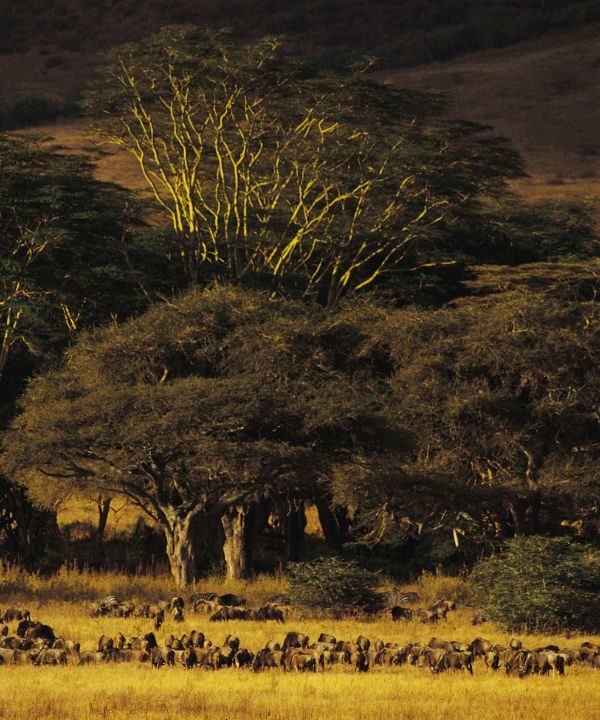
    While the wildebeest migration does not enter the crater itself, the Ngorongoro Conservation Area (NCA) is a vital part of the cycle. From December to March, the Great Migration occupies the short-grass plains of the NCA and southern Serengeti for the calving season.

    Calving Residents

    ~500,000 new calves annually

    Resident Population

    ~25,000 animals inside the crater.

    Predator Density

    Highest predator-per-capita in Africa.

    Wildebeest in Ngorongoro Crater

    When to Visit

    Ngorongoro by Season

    ☀️ Jan – Feb
    Predator Peak

    Migration calving on the nearby plains. Clear skies and high predator activity in the crater.

    🌧️ Mar – May
    Green Season

    Lush, emerald walls and flowering crater floor. Fewer vehicles and excellent birdwatching.

    🔭 Jun – Oct
    The Dry Season

    Best for rhino sightings and general game viewing as wildlife stays near water sources.

    ⛈️ Nov – Dec
    Short Rains

    Refreshing rains bring the herds back to the crater floor. Beautiful light for photography.

    Start Planning

    Ngorongoro Tours

    Start Your Journey

    Your East Africa Tour
    Begins with a Conversation

    Tell us your dream safari and our Tanzania-born specialists will craft a tailor-made itinerary — at no obligation. Browse our sample trips for inspiration, or let us start from scratch. Either way, we’ll make it unforgettable.
  • Serengeti National Park

    Serengeti National Park

    Tanzania

    Serengeti National Park

    Where two million wildebeest write the world’s greatest story on an endless golden stage.

    Established

    1951

    Area

    14,763 km²

    Big Five

    All Present

    Best Time

    Jun – Oct

    About the Park

    The Serengeti is Tanzania’s oldest and most celebrated national park — a UNESCO World Heritage Site covering an area the size of Northern Ireland. Its name comes from the Maasai word Siringet, meaning “endless plains,” and the landscape delivers exactly that: a boundless mosaic of golden grassland, acacia woodland, seasonal swamps, and ancient granite outcrops called kopjes.

    It is home to the largest terrestrial mammal migration on Earth — a circular journey of 1.7 million wildebeest and 500,000 zebra that follows the rains around a 1,200 km circuit. But the Serengeti is more than the migration. With approximately 3,000 lions, it holds the continent’s highest concentration of the big cats, alongside vast herds of elephants, hundreds of leopards, and over 500 bird species.

    Regions of the Park

    Four Zones, Four Stories.

    Ndutu & Kusini

    Southern Plains

    The vast short-grass plains of the south are the calving grounds of the wildebeest — over 500,000 calves are born here each January and February. Predator densities are extraordinary during this season as lions, cheetahs, and hyenas follow the herds.

    • Wildebeest calving (Jan–Feb)
    • Cheetah sightings
    • Ndutu Lake birding
    • Resident lion prides
    Seronera Valley

    Central Serengeti

    The heart of the Serengeti, Seronera is the most accessible zone and offers year-round wildlife. The Seronera River valley supports resident leopards — famously draped on sausage trees — along with lions, hippos, and large concentrations of resident plains game.

    • Resident leopards year-round
    • Seronera River hippo pools
    • Tree-climbing lions
    • Year-round game drives
    Grumeti River

    Western Corridor

    The migration pushes through the Western Corridor between May and July, where the Grumeti River’s enormous resident crocodiles lie in wait. Smaller but equally dramatic than the Mara crossings, the Grumeti crossings are often witnessed in near-solitude.

    • Grumeti River crossings (Jun–Jul)
    • Giant Nile crocodiles
    • Remote, uncrowded bush
    • Topi and kob antelopes
    Lamai & Kogatende

    Northern Serengeti

    The stage for the most dramatic Mara River crossings, the northern Serengeti draws safari-goers from around the world between July and October. Enormous wildebeest columns thunder toward the crocodile-lined banks in a spectacle that never loses its power.

    • Mara River crossings (Jul–Oct)
    • Highest predator density
    • Lamai wedge viewpoints
    • Remote tented camps

    Wildlife

    The Cast of Characters

    🦁 ~3,000 Individuals

    Lion

    The Serengeti holds Africa’s highest density of these majestic big cats.

    🐃 ~1.7 Million

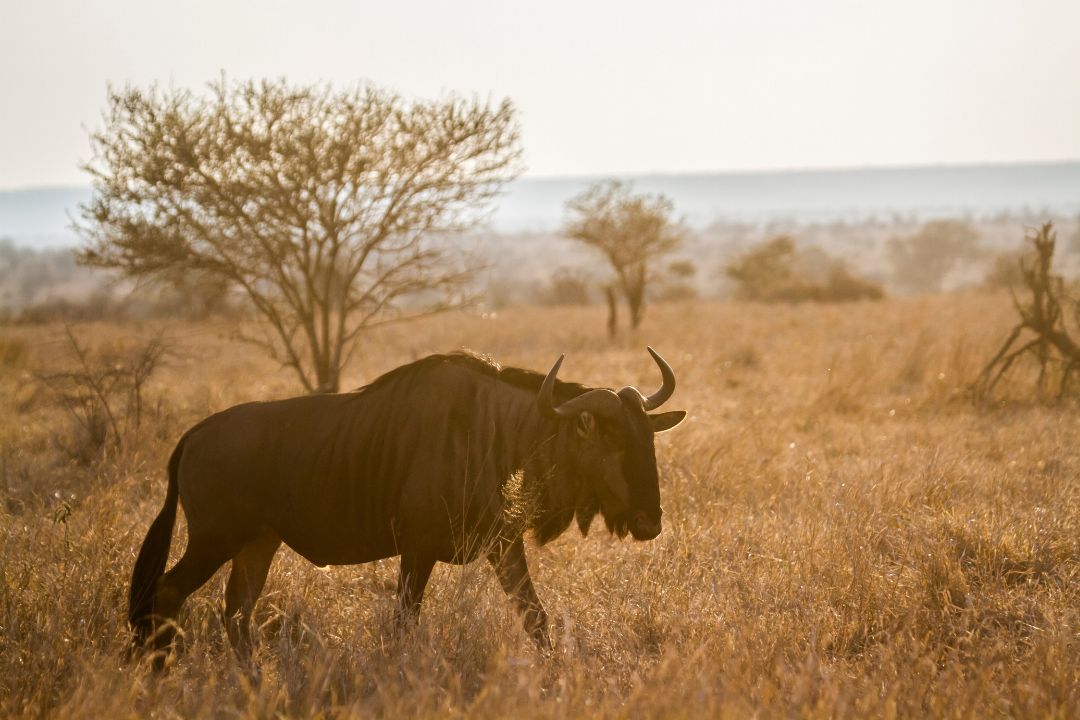
    Wildebeest

    The core of the Great Migration, moving in a relentless annual cycle.

    🐘 ~6,000 Individuals

    Elephant

    Both resident and migratory herds roam the vast acacia woodlands.

    🐆 ~1,000 Specialists

    Cheetah

    The open plains specialist, built for record-breaking speed.

    🐈 Abundant

    Leopard

    Master of stealth, frequently found lounging in the Seronera valley trees.

    🐕 ~200 Individuals

    Wild Dog

    Increasingly sighted as conservation efforts bring back these social hunters.

    🦛 ~5,000 Individuals

    Hippo

    Found in massive pods within river pools and marshy lakes.

    🦅 500+ Species

    Bird Species

    A paradise for birders, including local residents and migrants.

    The World’s Greatest Show

    The Great
    Migration

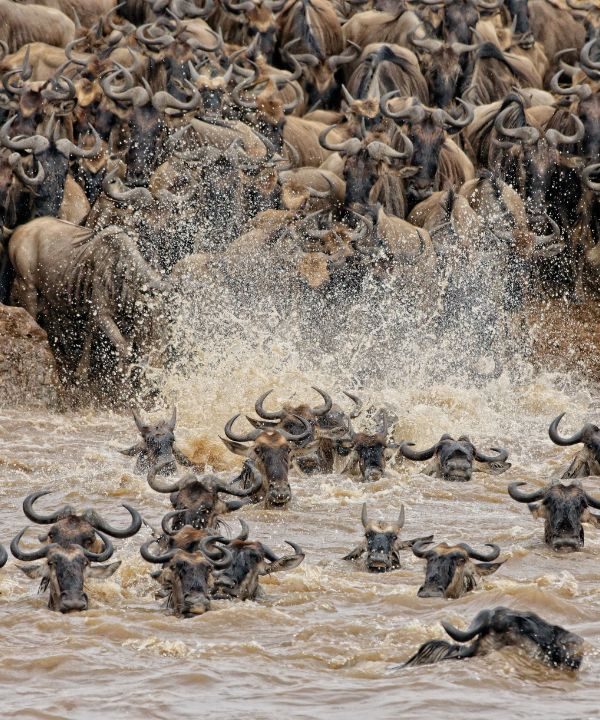
    Every year, 1.7 million wildebeest and 500,000 zebra embark on a 1,200 km circular journey across the Serengeti–Mara ecosystem — driven entirely by rain and fresh grass. It is the largest overland migration of any mammal on Earth, a relentless cycle of birth, movement, and predation that has played out for millennia.

    The most dramatic chapter is the Mara River crossing in the northern Serengeti from July to October, when herds hurl themselves into crocodile-filled waters in a frenzy of noise, dust, and raw survival instinct.

    Wildebeest

    1.7 Million

    Zebra

    500,000

    Distance

    ~1,200 km

    River Crossings

    Jul – Oct

    the-great-migration-guide-2026 (2)

    When to Visit

    Serengeti by Season

    ☀️ Jan – Feb
    Calving Season

    The southern plains explode with newborn wildebeest calves — and the predators that follow them.

    🌧️ Mar – May
    Long Rains

    Green season. Lush landscapes, newborn animals, dramatic skies, and far fewer tourists.

    🍃 Jun – Jul
    Dry Season

    The migration moves north through the Western Corridor. Excellent predator viewing begins.

    🔭 Aug – Oct
    Peak Migration

    Peak season. The northern Serengeti’s Mara River crossings are at their most dramatic.

    ⛈️ Nov – Dec
    Short Rains

    Short rains refresh the landscape. The migration begins moving south again. Good birding.

    Start Planning

    Serengeti Tours

    Start Your Journey

    Your East Africa Tour
    Begins with a Conversation

    Tell us your dream safari and our Tanzania-born specialists will craft a tailor-made itinerary — at no obligation. Browse our sample trips for inspiration, or let us start from scratch. Either way, we’ll make it unforgettable.
  • The Ascent Path

    The Ascent Path

    The Ascent Path

    Scale Tanzania’s second-highest peak for dramatic ridge walks and diverse wildlife encounters. Witness a stunning sunrise over Kilimanjaro from Meru’s rugged volcanic summit.

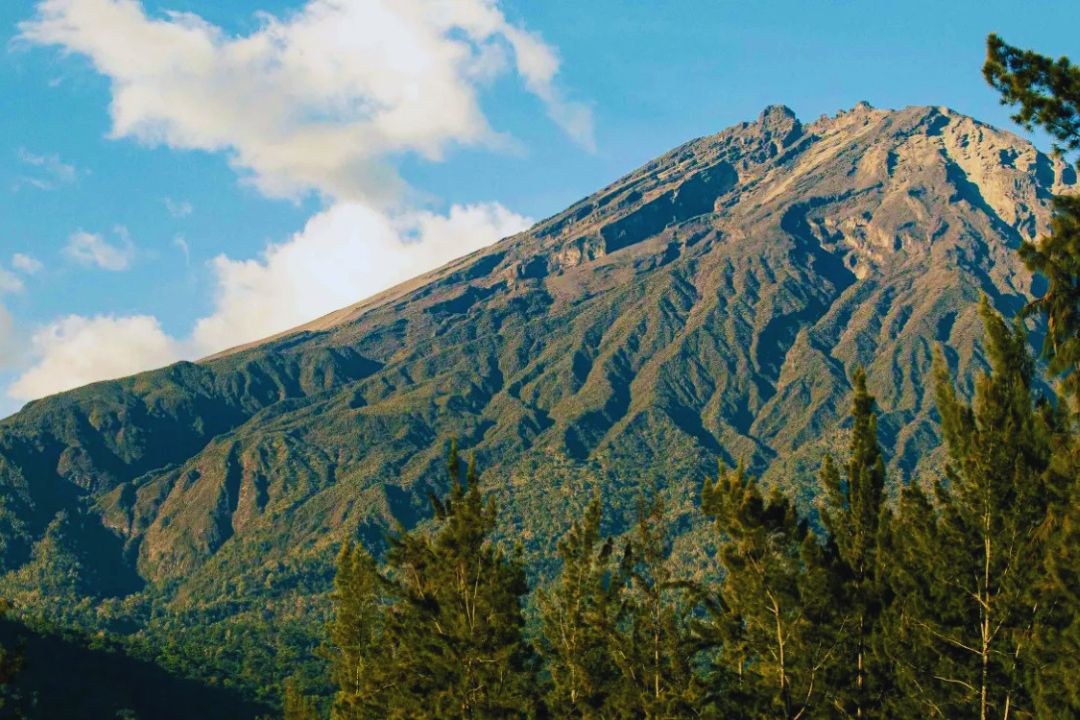
    Mount Meru trekking is one of Tanzania’s most rewarding and underrated mountain adventures, offering an exceptional combination of wildlife encounters, dramatic volcanic scenery, and high-altitude trekking. Standing at 4,566 meters, Mount Meru is Tanzania’s second-highest mountain and the fifth-highest peak in Africa. Located inside Arusha National Park, this spectacular stratovolcano provides a thrilling climb through diverse landscapes while serving as an excellent acclimatization trek before attempting Mount Kilimanjaro.

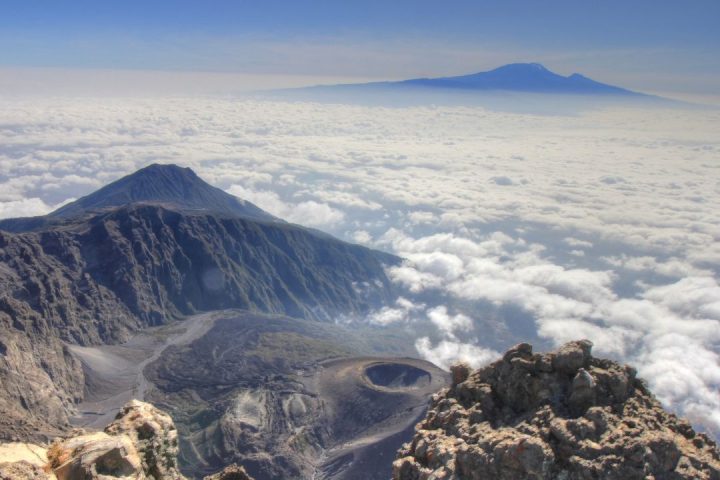
    Unlike Kilimanjaro, Mount Meru offers a unique wilderness experience where the journey begins with an armed ranger escort through open grasslands rich with giraffes, buffaloes, zebras, warthogs, and antelope. As trekkers ascend, the route passes through dense montane forest, giant heather moorland, rocky ridges, and finally the dramatic crater rim with jaw-dropping views into Meru’s ash cone and across to Mount Kilimanjaro in the distance.

    This carefully designed 4-day itinerary allows climbers enough time for proper acclimatization and a comfortable summit attempt. The climb is physically demanding yet highly scenic, highlighted by overnight stays in mountain huts, sunrise from Socialist Peak, and the unforgettable ridge walk along the crater rim. It is a perfect standalone mountain expedition or an ideal warm-up for higher altitude trekking.

    With professional mountain guides, park ranger protection, hut accommodation, nourishing meals, and complete logistical support, Sereti Wilderness Safaris proudly offers Mount Meru as one of Tanzania’s most spectacular trekking experiences for adventurers seeking both challenge and extraordinary natural beauty.

    Gallery

    Trek Highlights

    Day by Day Itinerary

    ARRIVAL DAY

    Kilimanjaro International Airport to Arusha

    Upon arrival at Kilimanjaro International Airport (JRO), you will be warmly welcomed by the Sereti Wilderness Safaris team and transferred to your hotel in Arusha town. Set beneath the green slopes of Mount Meru, Arusha is the ideal base for this exciting trekking expedition.

    In the evening, meet your mountain guide for a full trek briefing, route orientation, and gear inspection. Since Mount Meru involves both wildlife walking and high-altitude hiking, all safety details will be carefully explained. Enjoy dinner and overnight while preparing for the climb ahead.

    — Accommodation: Budget, Midrange or Luxury Hotel in Arusha
    DAY 1

    Momella Gate to Miriakamba Hut

    Altitude: 1,500m to 2,500m | Distance: 10 km | Hiking Time: 4–5 hours

    After breakfast, drive to Momella Gate for registration. Here, an armed park ranger joins the group, as the lower slopes are inhabited by a wide variety of wildlife. The trek begins as a true walking safari through open grasslands where giraffes, buffaloes, and zebras are often seen at close range.

    Gradually the route enters montane forest with giant fig trees and moss-covered trunks. Along the way, stop at scenic viewpoints including waterfalls and the famous Maio Falls before steadily climbing to Miriakamba Hut, located in a peaceful forest clearing with beautiful views of Meru’s cliffs.

    — Accommodation: Miriakamba Hut
    DAY 2

    Miriakamba Hut to Saddle Hut

    Altitude: 2,500m to 3,570m | Distance: 8 km | Hiking Time: 3–5 hours

    The climb continues through the upper montane forest before entering giant heather and moorland. The trail becomes steeper and more rugged as the summit cone begins to dominate the skyline, offering dramatic views into Meru Crater and across Arusha National Park.

    By midday, arrive at Saddle Hut. After lunch, an optional short acclimatization hike to Little Meru (3,820m) is highly recommended for magnificent sunset views and altitude adaptation. Dinner is served early to allow for rest before the midnight summit push.

    — Accommodation: Saddle Hut
    DAY 3

    Summit Day – Saddle Hut to Socialist Peak to Miriakamba Hut

    Altitude: 3,570m to 4,566m down to 2,500m | Distance: 14 km | Time: 10–12 hours

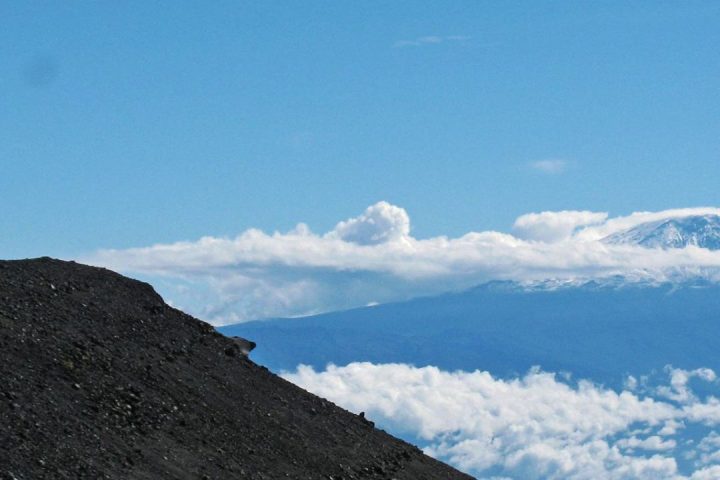
    Just after midnight, begin the final ascent toward Rhino Point and Cobra Point along the spectacular crater rim. This route features steep drop-offs and sweeping plains. On clear mornings, see Mount Kilimanjaro floating above the clouds to the east.

    Reach Socialist Peak (4,566m), the highest point of Mount Meru. After enjoying panoramic views across the Meru Crater and Ash Cone, descend carefully back to Saddle Hut for brunch before continuing further down to Miriakamba Hut for a well-deserved overnight rest.

    — Accommodation: Miriakamba Hut
    DAY 4

    Miriakamba Hut to Momella Gate – Return to Arusha

    Altitude: 2,500m to 1,500m | Distance: 10 km | Hiking Time: 2–4 hours

    Enjoy a relaxed descent through the lush forest zone. Morning light offers excellent opportunities to spot monkeys and grazing wildlife on the lower slopes. The final walk allows time to reflect on the achievement of summiting Tanzania’s second-highest mountain.

    Upon arrival at Momella Gate, receive your trekking certificate. The Sereti Wilderness Safaris vehicle will then transfer you back to Arusha for a hot shower, celebratory dinner, and comfortable overnight stay.

    — Accommodation: Hotel in Arusha
    DEPARTURE DAY

    Arusha to Kilimanjaro International Airport

    Depending on your flight schedule, our representative will transfer you to Kilimanjaro International Airport. For guests continuing with safaris or beach holidays, our team will ensure smooth arrangements. You leave with the pride of conquering one of Africa’s most beautiful mountains.

    Trek Includes

    • Airport pick up and drop off transfers
    • Transport to and from the Gate
    • Two nights hotel accommodation 
    • Arusha National Park fees and VAT
    • Professional mountain guides, assistant guides, cook and porters
    • Fair wages/allowances for the mountain crew
    • All hut accommodation during the trek
    • Three freshly prepared meals per day on the mountain
    • Boiled and filtered drinking water throughout the climb
    • Morning wake-up calls with hot drinks
    • Ginger tea on summit night
    • Hot water for washing served in basins
    • First aid kit and emergency oxygen cylinder
    • Full climb briefing and safety monitoring

    Trek Excludes

    • International and domestic flights
    • Tanzania visa fees
    • Drinks at the hotel
    • Personal climbing gear and belongings
    • Tips for guides, porters, and cook
    • Taxi services outside itinerary
    • Personal travel and health insurance
    • Items of personal nature

    At a Glance

    Tour Price From

    Per person, based on double occupancy

    Book This Tour

    Send an Enquiry

    Fill in the form and well get back to you within 24 hours.
    We respond within 24 hours. Your details are never shared.

    Chat on WhatsApp

    Fastest way to get a response

    Our safari experts are available 7 days a week. Ask anything — from itinerary advice to availability checks. We typically respond within minutes during business hours.

    Call Us

    Mon – Sat, 8am – 6pm EAT

    +255 787 004 072

    Email Us

    Response within 24 hours