
Tanzania

Zanzibar Islands

The Spice Island — a mesmerizing blend of Arabian nights, Swahili soul, and pristine tropical shores.

UNESCO Site

Designated in 2000

Main Industries

Spices, Raffia, and Tourism

Culture

Swahili, Coast Customs

Best Time

Jul – Oct and Dec – Feb

Zanzibar is a sensory explosion. For centuries, it served as a major hub for the spice and slave trades, creating a unique cultural fusion of African, Indian, and Arabian influences. The air is often thick with the scent of cloves, nutmeg, and cinnamon from the inland plantations.

Beyond the historic narrow alleys of Stone Town, the island is fringed by some of the world’s most beautiful coral reefs and beaches. From the bustling northern shores of Nungwi to the quiet, tidal-dependent east coast, Zanzibar provides the perfect “Bush to Beach” conclusion to a Tanzanian safari.

Regions of the Island

Four Zones, Four Stories

  • Stone Town (The Historic Heart): A labyrinth of narrow streets, carved wooden doors, and bustling bazaars. It is the cultural soul of the island.
  • Nungwi & Kendwa (The North): Famous for having the least tidal movement, allowing for all-day swimming. This is the hub for nightlife and luxury resorts.
  • The East Coast (Matemwe to Paje): Characterized by vast tidal changes and consistent breezes, making it a world-class destination for kiteboarding and reef walks.
  • Jozani Chwaka Bay: The island’s last indigenous forest and a sanctuary for the endemic Red Colobus Monkey.

Wildlife

The Cast of Characters

🐒 Endemic Species

Red Colobus

Only found on Zanzibar, these distinctive primates are the stars of the Jozani Forest.

🐢 Conservation Icon

Green Turtle

Nests along the quieter beaches; several sanctuary projects allow for ethical viewing and release.

🐢 150+ Years Old

Giant Tortoise

Found on Prison Island, some of these gentle giants have lived for over a century and a half.

🐬 Resident Pods

Dolphin

Frequently spotted in the Menai Bay Conservation Area, especially near the village of Kizimkazi.

🐋 Seasonal Visitor

Whale Shark

Best seen near Mafia Island (Zanzibar's neighbor) between October and February.

🐵 Forest Dweller

Sykes' Monkey

Also known as the White-throated monkey, these are often found alongside the Red Colobus.

🦀 World's Largest

Coconut Crab

The largest land-living arthropod. These nocturnal giants are found on Chumbe Island.

🐠 Coral Reefs

Mnemba Reef Life

From Clownfish to Moorish Idols, the reefs around Mnemba Atoll host a neon explosion of life.

The Spice
Experience

Zanzibar’s history is inseparable from its botany.
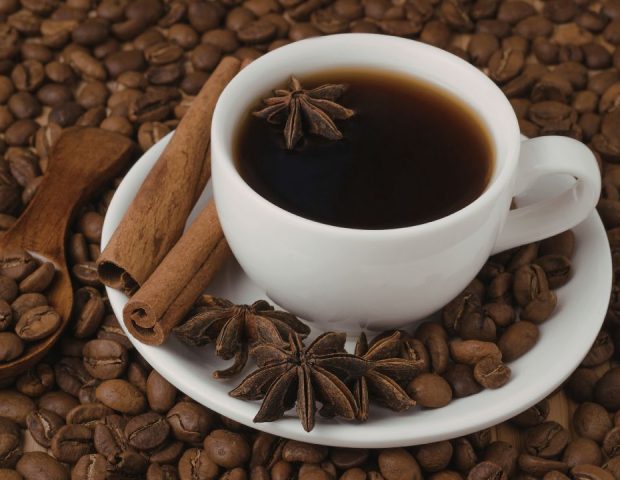
  • Spice Tours: Walking through rural plantations to see how cloves, peppercorns, and vanilla are grown.
  • Stone Town Architecture: The “Zanzibar Door” — intricate carvings that tell the story of the home’s original owner, whether they were of Indian or Arab descent.
  • The Safari Blue: A traditional dhow sailing experience across the Menai Bay, focusing on snorkeling, sandbanks, and seafood.
Zanzibar spices

When to Visit

Zanzibar Island by Season

☀️ Jun – Oct
Cool & Dry

Perfect beach weather with low humidity. This is the peak season for sun-seekers, divers, and exploring Stone Town.

⛈️ Nov – Dec
Short Rains

Brief, tropical showers followed by sunshine. The island is lush, and travel rates are often more competitive.

🔥 Jan – Feb
Hot & Dry

The humidity rises, but the sea is calm and crystal clear. Excellent for diving and snorkeling at Mnemba Atoll.

🌧️ Mar – May
The Long Rains

Heavy downpours are common, but it's the best time for luxury at a lower price and total island tranquility.

Start Planning

Zanzibar Island Tours

Start Your Journey

Your East Africa Tour
Begins with a Conversation

Tell us your dream safari and our Tanzania-born specialists will craft a tailor-made itinerary — at no obligation. Browse our sample trips for inspiration, or let us start from scratch. Either way, we’ll make it unforgettable.