Author: admin

  • The Great Migration: A Definitive Month-by-Month Guide for 2026

    The Great Migration: A Definitive Month-by-Month Guide for 2026

    Safari

    The Great Migration: A Definitive Month-by-Month Guide for 2026

    Sereti Wilderness Team

    Tanzania-Born Safari Specialists

    Two million animals, one endless cycle. From the explosive calving season on the southern plains to the life-and-death drama of the river crossings, witness the greatest wildlife spectacle on Earth with Sereti Wilderness Safari.
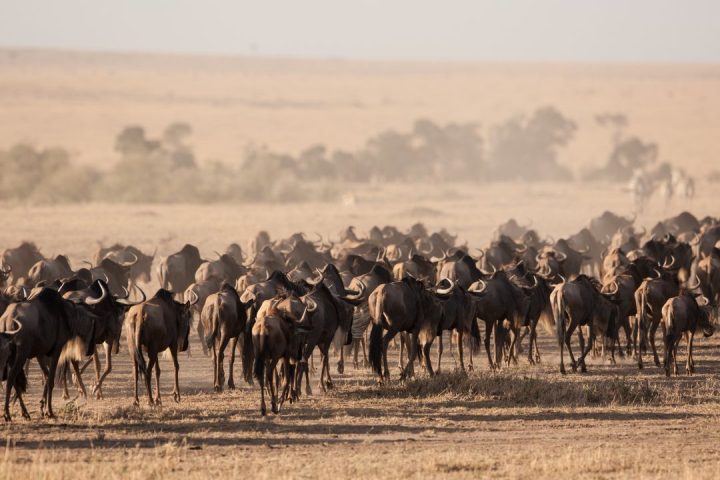
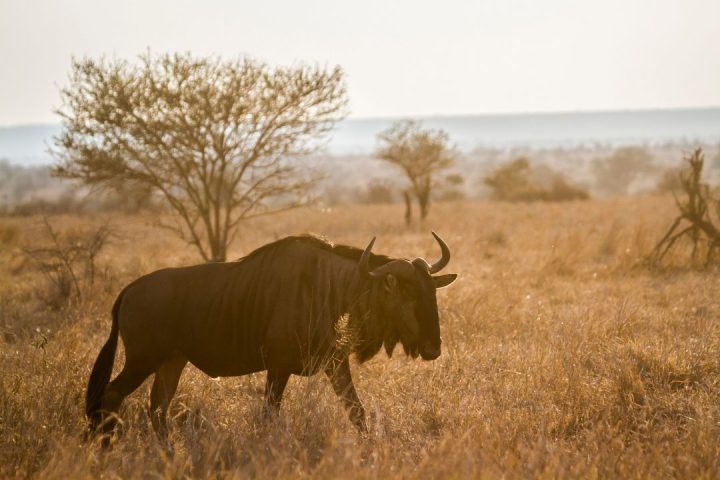
    The Great Wildebeest Migration is not a single event, but a relentless, clockwise 800-kilometer journey through the Serengeti-Mara ecosystem. Driven by the search for fresh grazing and water, this “Greatest Show on Earth” is a complex dance between 1.5 million wildebeest, 200,000 zebras, and hundreds of thousands of gazelles.

    The Migration Calendar: Where to Be and When

    Timing your safari is critical; being in the right region at the right time is the difference between seeing a few stragglers and witnessing a horizon filled with thunderous herds.

    January – March: The Calving Season (Southern Serengeti)

    The herds settle in the nutrient-rich short-grass plains of the Southern Serengeti and Ngorongoro Conservation Area.

    • The Spectacle: Over 500,000 wildebeest calves are born within a concentrated two-to-three-week window.

    • Predator Action: This is the peak time for predator-prey encounters, as lions, cheetahs, and hyenas take advantage of the vulnerable young.

    • Sereti Tip: Stay in the Ndutu region for the most intimate views of the nursery herds.

    April – May: The Long Rains (Central Serengeti)

    As the southern plains dry up, the migration shifts Northwest toward the Central Serengeti (Seronera valley).

    • The Landscape: The “long rains” transform the savanna into a lush, emerald paradise.

    • The Vibe: This is the “Green Season”—it is quiet, with fewer vehicles and excellent opportunities for birdwatching and photography in dramatic light.

    June – July: The Western Corridor & Grumeti

    The herds gather momentum as they push toward the Western Corridor.

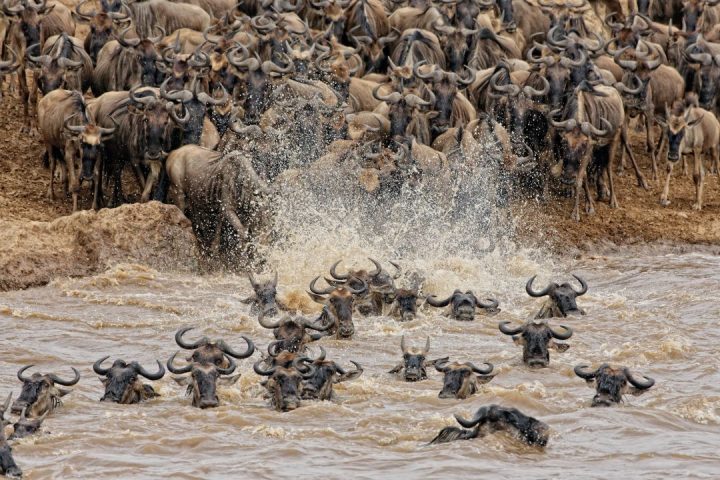
    • The Crossings: You may witness the first river crossings at the Grumeti River. While smaller than the famous Mara crossings, the Grumeti crocodiles are some of the largest in Africa.

    • Mating Season: In June, the “rut” begins, filled with the loud, rhythmic grunting of territorial males.

    August – October: The Great River Crossings (Northern Serengeti)

    This is the peak of the migration drama as the herds reach the formidable Mara River.

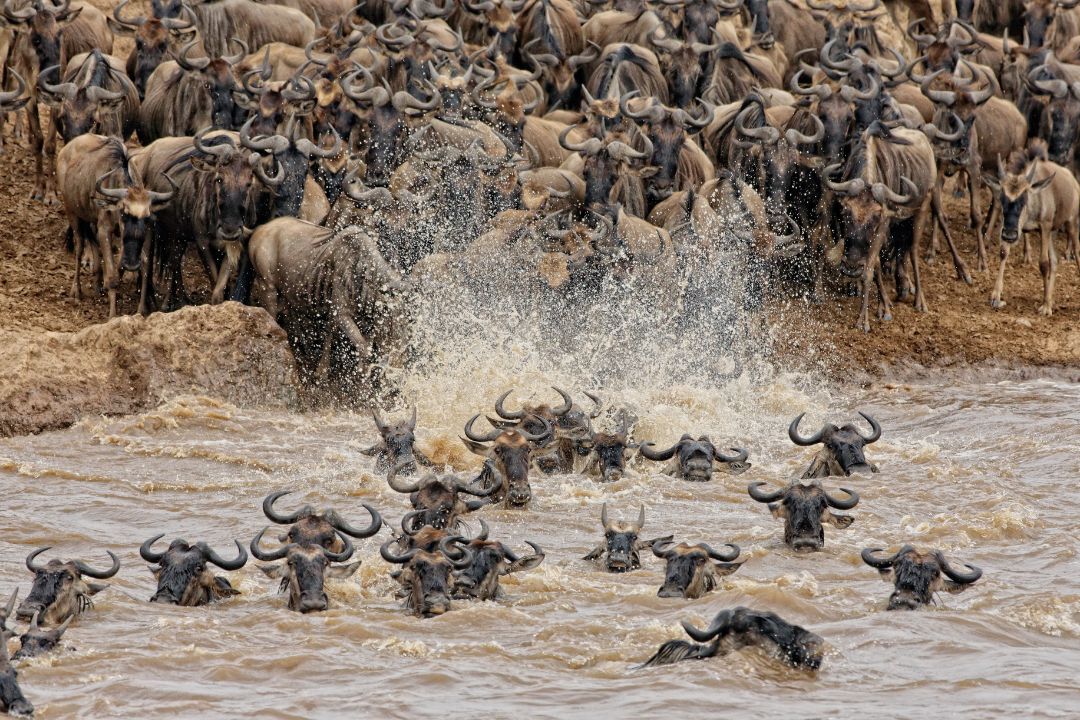
    • The Challenge: Wildebeest mass on the banks for days before the first brave individual plunges into the crocodile-infested waters.

    • The Maasai Mara: The survivors cross into Kenya’s Maasai Mara for the lush grazing found there during the dry season.

    • 2026 Strategy: This is the busiest time; booking your Sereti guide early is essential to secure the best viewing spots.

    November – December: The Return Journey

    With the arrival of the “short rains,” the herds sense the fresh grass growing in the south and begin their rapid southward trek through the eastern Serengeti.

    Logistics & Planning: 2026 Data for Travellers

    To help you plan your Sereti Wilderness Safari, use this table to align your travel goals with the movement of the herds.
    Phase Primary Location Best For Typical Climate
    Calving South Serengeti / Ndutu High predator activity & newborns Hot and dry mornings
    The Rut Western Corridor Large herd movements & mating Humid / Occasional rains
    Crossings North Serengeti / Kogatende Dramatic river crossings Dry, dusty, and clear
    Grazing Maasai Mara Vast vistas and photography Mild and pleasant
    Sereti Insider Tip
    • June 2026 Strategy: If you are traveling in June, the herds are typically in the Central and Western Serengeti. This is the perfect time to combine the migration with the Ngorongoro Crater to see the “Big Five” in one trip.
    • Patience is Key: River crossings are unpredictable. You may sit for four hours watching the herds pace the bank only for them to turn back—or it could happen in a sudden, explosive ten-minute window.
    • Silent Observation: We follow strict Serengeti etiquette—silencing engines and maintaining distance during crossings to ensure the herds aren’t spooked back into the water.

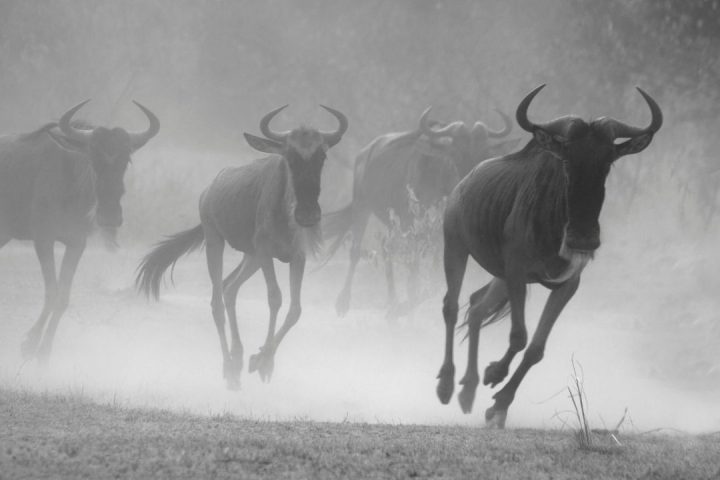
    Gallery of Great Wildebeest Migration
    Ready to stand in the path of the herds?

    Contact the Sereti Wilderness Safari team to begin planning your 2026 expedition. Our experts are ready to help you craft the ultimate migration itinerary.

    More from the Journal

  • The Sentinels of the Savanna: Top Facts About African Elephants

    The Sentinels of the Savanna: Top Facts About African Elephants

    Safari

    The Sentinels of the Savanna: Top Facts About African Elephants

    Sereti Wilderness Team

    Tanzania-Born Safari Specialists

    Ancient wisdom, unbreakable family bonds, and a presence that humbles the soul. Our Sereti Wilderness Safari guides share exactly what awaits you—the engineering marvel of the African elephant.

    There is a specific vibration you feel before you even see them. It is an infrasonic rumble that travels through the ground and into your feet. Then, the acacia trees part, and a matriarch emerges, her tusks gleaming against the Tanzanian sun. You realize then that an elephant doesn’t just walk through the bush; it commands it. Nothing in your travels prepares you for the sheer scale and quiet dignity of an African elephant in the wild.

    The Giants of the Continent: Size and Species

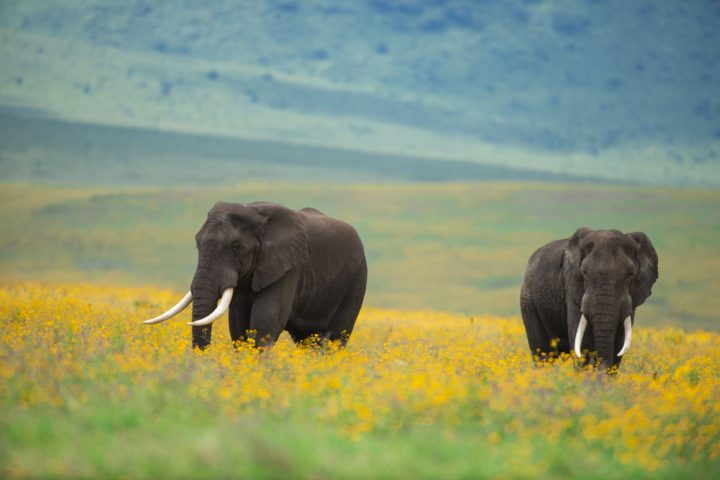
    The African elephant is the largest land animal on Earth. While many travelers use the general term, there are actually two distinct species found in the regions we explore.

    • Weight: A full-grown male can weigh up to 6,000kg (6 tons).
    • Height: They stand nearly 4 metres tall at the shoulder.
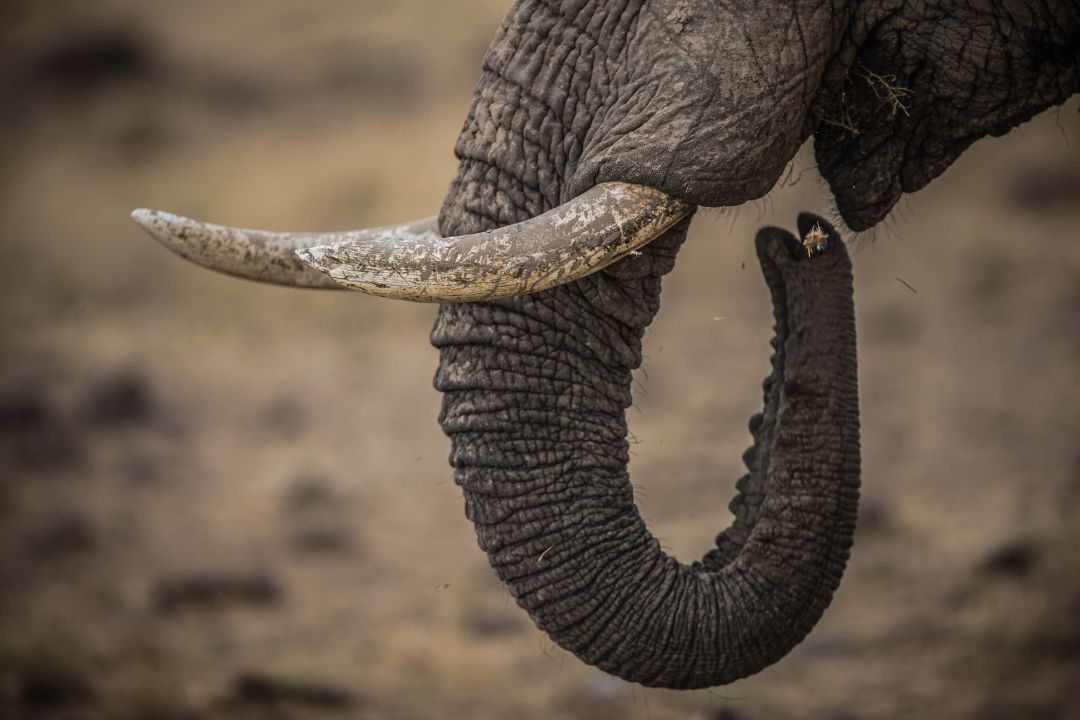
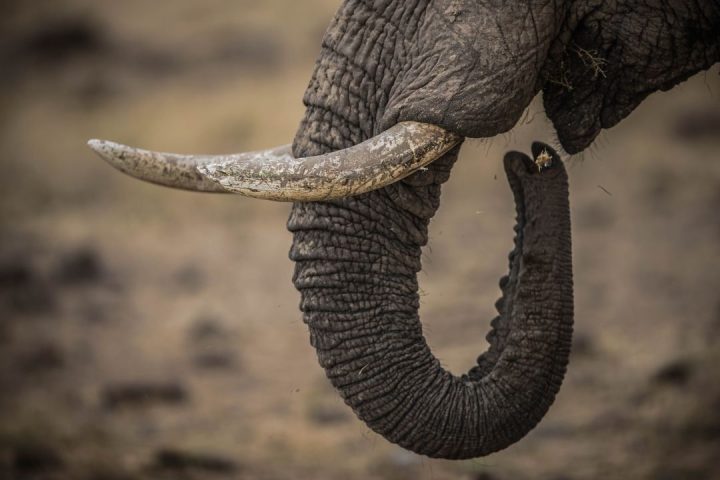
    • The Trunk: A masterpiece of biology containing over 40,000 muscles.
    • Lifespan: In the wild, these giants can live up to 60 or 70 years.

    The Morning Briefing: Elephant Etiquette

    Every Sereti Wilderness Safari begins with a focus on respect. While elephants are generally peaceful, they are fiercely protective of their young. We maintain a safe distance, watch for “ear-fanning” warning signs, and always leave an escape route for the vehicle. We are guests in their natural home, and we act accordingly.

    “I have seen the Big Five many times. But watching a matriarch lead her family across the Ngorongoro floor at dawn? That is the moment you realize we are just small parts of a much larger story.” — Sereti guest, March 2026

    Social Intelligence and “The Memory”

    The phrase “an elephant never forgets” is a survival strategy. The oldest female, the matriarch, carries a mental map of water holes and migration routes. They exhibit complex emotions, mourning their dead and greeting family members with trumpeting joy after a long separation.
    Sereti Insider Tip

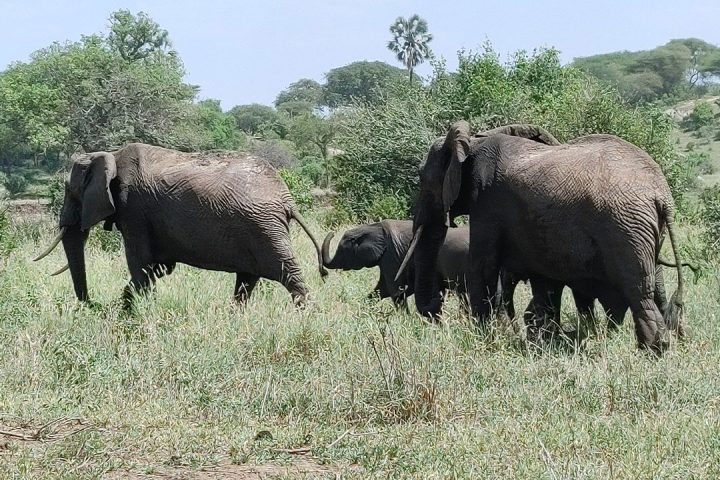
    Hire a local guide who understands the specific migratory patterns of the herds. If you want the ultimate elephant encounter, visit Tarangire National Park during the dry season. While the Serengeti and Ngorongoro are world-famous, Tarangire is the true “Land of Giants,” where herds of up to 300 elephants congregate around the river.

    The Ecosystem Engineers

    Elephants are “keystone species.” By knocking over trees and digging for water in dry riverbeds, they create habitats and water sources for smaller animals like zebras and antelope. Without them, the African landscape as we know it would cease to exist.

    Combining Your Safari

    We strongly recommend combining an elephant-focused safari in Tarangire with a descent into the Ngorongoro Crater. Seeing a “Tusker”—a rare bull elephant with tusks so long they touch the ground—against the backdrop of the caldera wall is a photographic opportunity that happens nowhere else on the planet.

    Gallery of African Elephants

    Let Our Tanzania-Born Team Build Your Safari

    Everything you’ve just read is drawn from our team’s first-hand experience. Contact us and we’ll craft a tailor-made itinerary around your exact travel dates and interests — at no obligation.

    More from the Journal

  • The Essential Checklist: Gorilla Trekking Packing List

    The Essential Checklist: Gorilla Trekking Packing List

    Gorilla Trekking

    The Essential Checklist: Gorilla Trekking Packing List

    Sereti Wilderness Team

    Tanzania-Born Safari Specialists

    Altitude, ancient forest, and one of the most profound encounters on Earth. Our Sereti Wilderness Safari guides share exactly what awaits you in Uganda’s Bwindi Impenetrable Forest — the good, the muddy, and the utterly unforgettable.
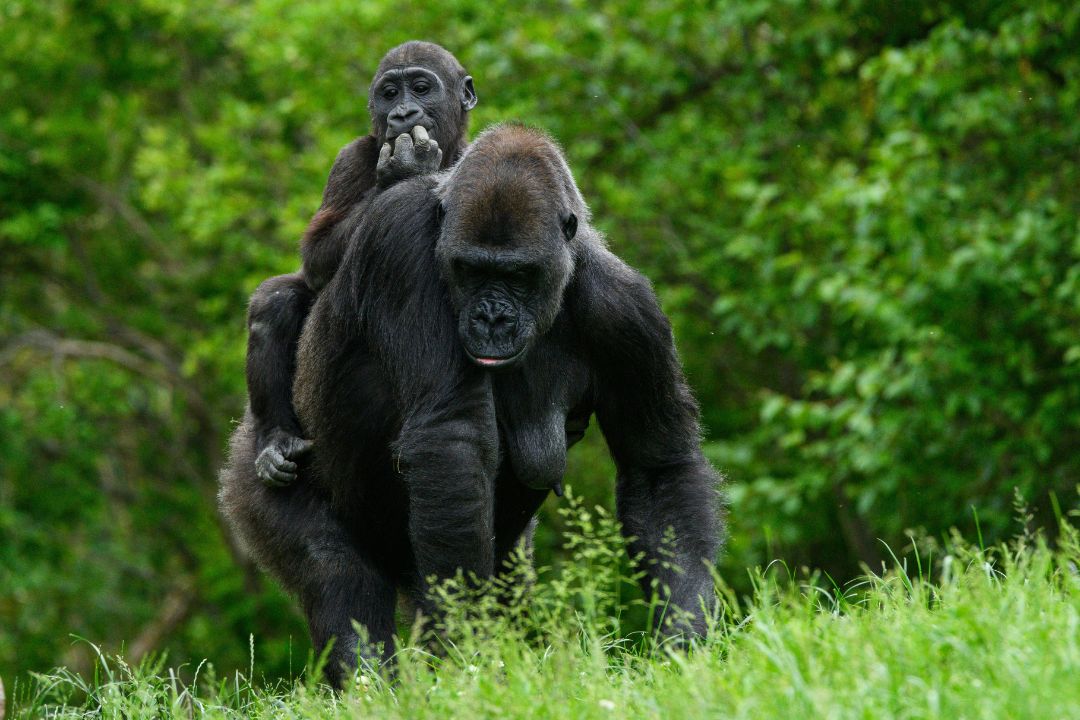
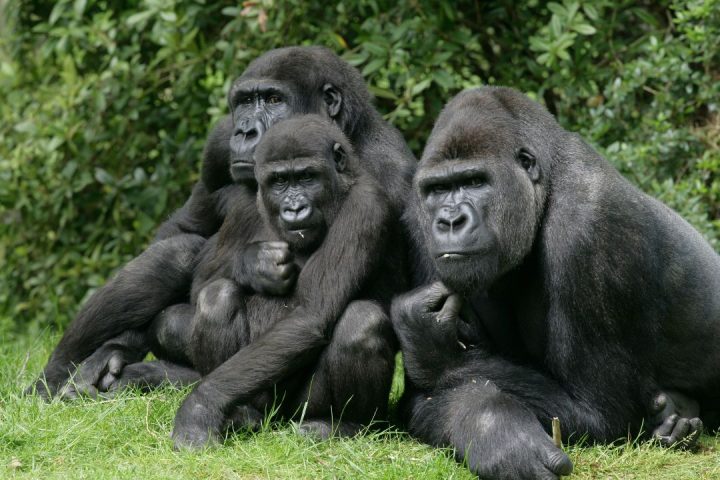
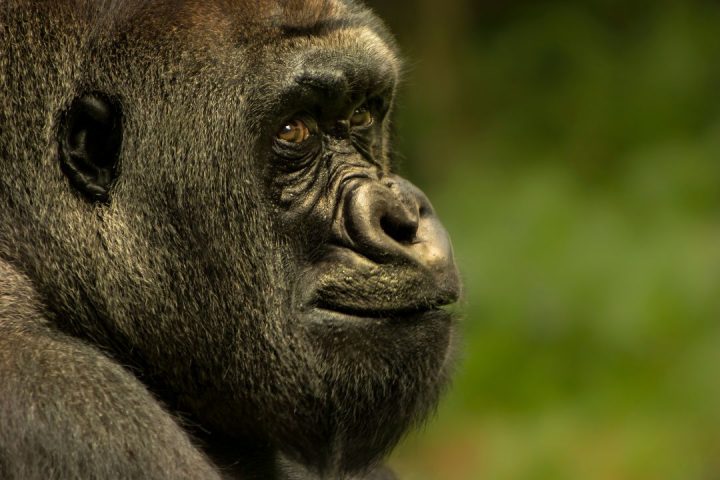
    There is a moment, somewhere deep inside Bwindi Impenetrable Forest, when the tracker ahead of you stops and holds up a fist — the universal sign for silence. You freeze. The forest is dense and green, your breathing still heavy from the climb. And then, ten metres away, a silverback gorilla shifts his enormous weight and turns to look at you with dark, intelligent eyes. Nothing in twenty years of safari guiding prepares you for the weight of that gaze.

    Before the Trek: Permits and Preparation

    Gorilla trekking permits for Bwindi Impenetrable Forest cost $700 USD per person and must be secured well in advance. Permits for peak season (June–September and December–February) often sell out months ahead. Sereti handles all permit applications on your behalf as part of your tour package.

    • Minimum age requirement: 15 years old.
    • Physical fitness: Moderate — expect 2–8 hours of hiking.
    • Altitude: Treks take place at 1,500–2,590m above sea level.
    • What to wear: Long trousers, long sleeves, waterproof hiking boots, and garden gloves.
    • What to bring: 2–3 litres of water, energy snacks, and a camera with no flash.

    The Morning Briefing

    Every trek begins at 7:30 am at the Uganda Wildlife Authority ranger station. You’ll be assigned to a gorilla family group based on your fitness level and receive a briefing on gorilla etiquette. These rules matter: keep 7 metres distance, speak in whispers, and never look directly into a silverback’s eyes.

    “I have been on safaris across Africa but nothing — nothing — compares to locking eyes with a silverback gorilla one metre away. I completely fell apart.” — Sereti guest, September 2025

    The Trek Itself

    The hike to find the family can take anywhere from 30 minutes to 5 hours. The forest is genuinely impenetrable in places; porters with machetes sometimes clear paths ahead of you. The terrain is steep, humid, and muddy. But every step is absorbed in wonder — Bwindi is home to 350 species of bird and ancient fig trees that feel truly prehistoric.

    The “Impenetrable” Wardrobe

    The secret to a successful trek is “protection over fashion.” You aren’t just dressing for the weather; you are dressing for a battle with stinging nettles, thorns, and safari ants.

    • Waterproof Hiking Boots: Must have high-top ankle support and deep tread. The slopes are often slick with mud.
    • Gardening Gloves: This is our #1 “Pro Tip.” You will naturally grab branches and vines for support; gloves protect you from thorns and itchy plants.
    • Long Trousers & Long Sleeves: Essential for insect protection. We recommend tucking your trousers into your socks to create a barrier against ants.
    • Waterproof Rain Jacket: It is a rainforest; downpours can happen in seconds, even during the “dry” season.
    • Gaiters: These prevent mud, water, and debris from entering your boots.

    Essential Technical Data (2026 Updates)

    Navigating the logistics is just as important as the gear. Here is the current data for your 2026 expedition:
    Requirement Uganda (Bwindi/Mgahinga) Rwanda (Volcanoes NP)
    Permit Cost (2026) $800 USD $1,500 USD
    Minimum Age 15 Years 15 Years
    Max Group Size 8 Trekkers per Family 8 Trekkers per Family
    Time with Gorillas 1 Hour (Strict) 1 Hour (Strict)
    Trek Duration 2–8 Hours (Variable) 2–6 Hours (Variable)

    The Morning Briefing & Etiquette

    Every trek begins at 7:30 am with a ranger briefing. The rules are designed to protect the gorillas, who share 98% of our DNA and are highly susceptible to human illnesses.

    • The 7-Metre Rule: You must maintain at least 7 metres (21 feet) of distance at all times.
    • Silence is Golden: Keep your voice low to avoid agitating the family.
    • No Flash Photography: Flash can trigger a defensive charge from a silverback. Ensure your flash is disabled before you enter the forest.
    • Health Protocol: If you are feeling sick (flu, cough, or cold) on the day of the trek, you must inform the rangers. You may be rescheduled to protect the gorillas from infection.
    Sereti Insider Tip
    We strongly recommend hiring a porter (approx. $15–$25 USD). Not only do they assist you on the steep slopes and carry your daypack, but this is also the most direct way to support the local communities that protect these forests.

    Gallery of Gorilla Trekking

    Ready to Trek?

    The physical challenge is real, but as every Sereti guest tells us, the moment you sit among a family of mountain gorillas, the steep climbs and muddy boots fade into one of the most rewarding memories of your life

    More from the Journal